
Community Based Rehabilitation
After living in Central Asia for a year and engaging closely with the local community, I noticed a significant gap in health knowledge. Many people would quickly panic in medical situations simply because they did not know how to respond. For example, if someone fainted, bystanders often felt helpless, unsure of what to do.
Together with our healthcare team, including two nurses, we began thinking about how we could support the community. We wanted to provide knowledge that would not only reduce fear and anxiety but also bring people together and create something sustainable. That is when the idea of a first aid training programme was born—practical, engaging, and easy to replicate.
Since launching the training, we have been invited to different community groups several times, including those for mothers of children with special needs, kindergarten teachers, and mixed groups of people from various backgrounds. The response has been incredible. The interaction during training sessions has been lively, and the hands-on practice has led to a lot of fun and engagement. By the end of each session, people were exchanging phone numbers, strengthening community connections.
One of the most memorable moments for me happened during a break when a participant asked, “Why are you doing this? Why did you come all the way from your home country?” This question was a turning point—an opportunity to share the deep love in our hearts that motivates us to serve.
Through this training, we are not only equipping people with life-saving skills but also fostering a sense of community, trust, and openness. It has been a privilege to see how something as simple as first aid can bring people together and open doors for deeper conversations.
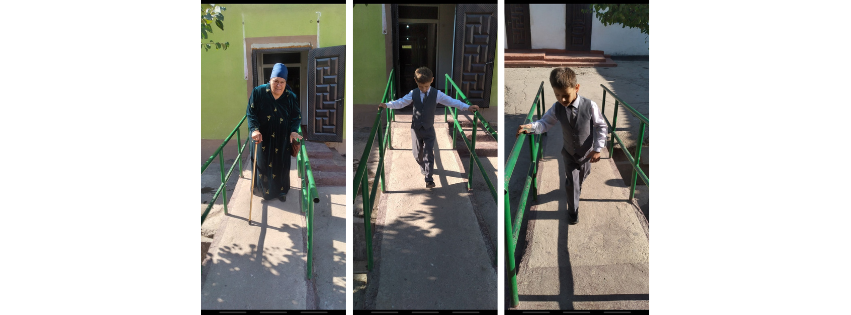
Full Participation at School
In the summer, our organisation received a request to build a ramp and an accessible toilet at this school to allow the school to accept children with disabilities so that they could socialise and study with their peers.
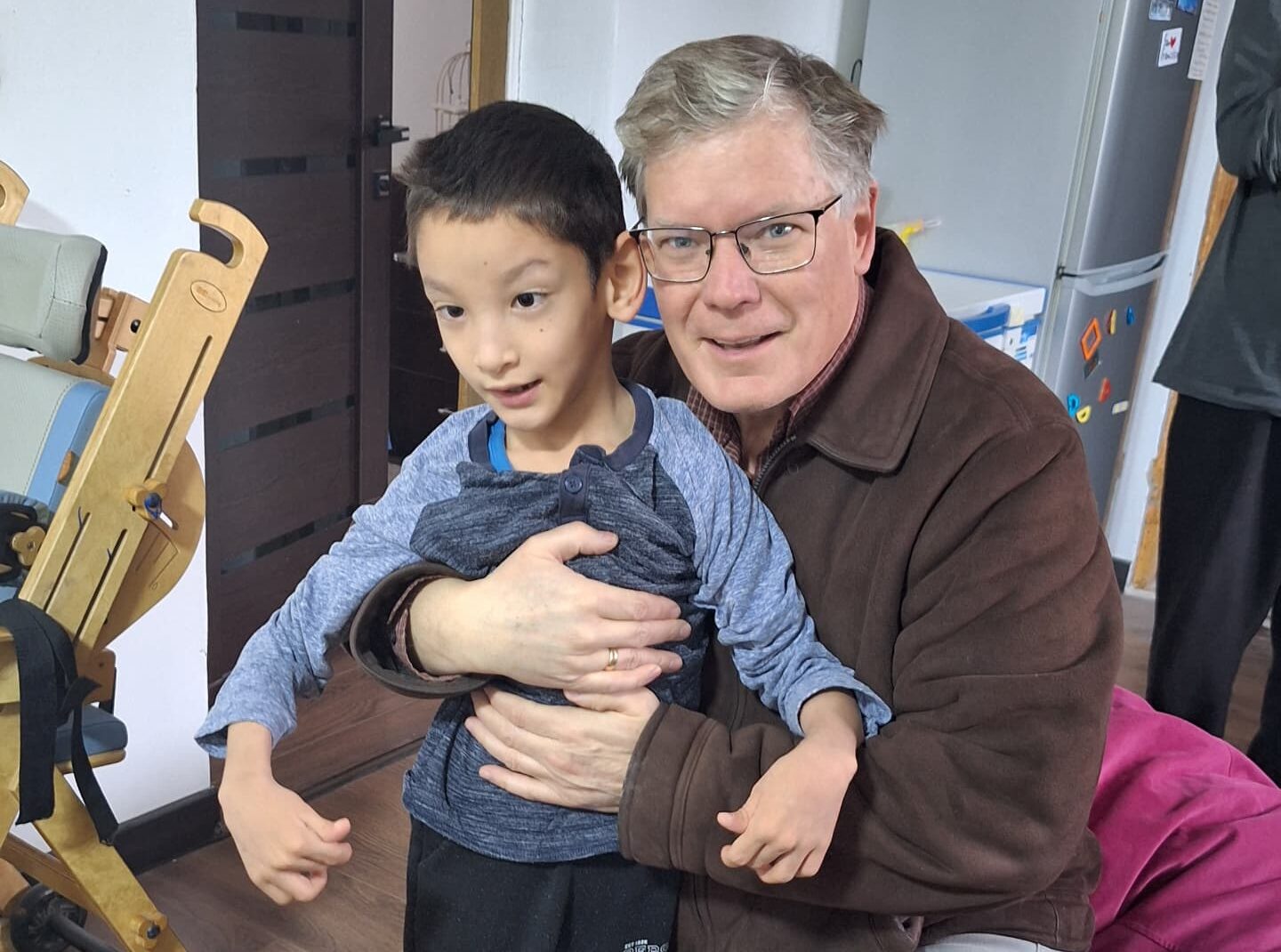
New Life for Abrahim
Nine-year-old Abrahim, who lives with cerebral palsy, joined the horse therapy program earlier this year together with his grandparents. When they first arrived, his grandfather, Eleman,
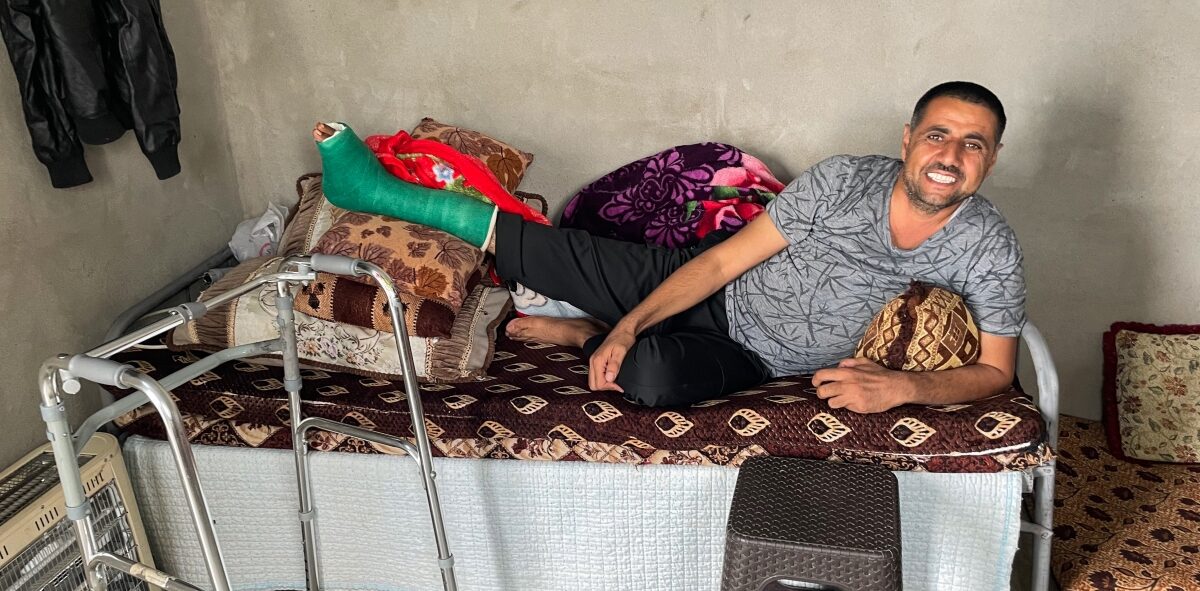
Partnerships for Good
He now has a stable home for him and his family and is walking on his “new” foot.
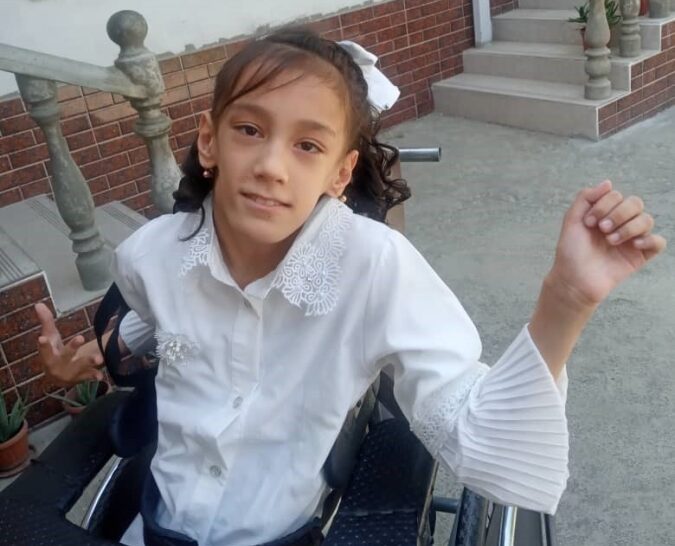
Opening Doors to Equality
Children with disabilities (CWD) are being given the chance to learn at mainstream schools thanks to one of our partner organisations in Tajikistan.
School accessibility is one of the most important components of providing inclusive education and promotion of the rights of children with disabilities.
Wheelchair Gives New Hope in Life
The wheelchair has not only contributed to Amir’s improvement physically, but emotionally and psychologically as well.
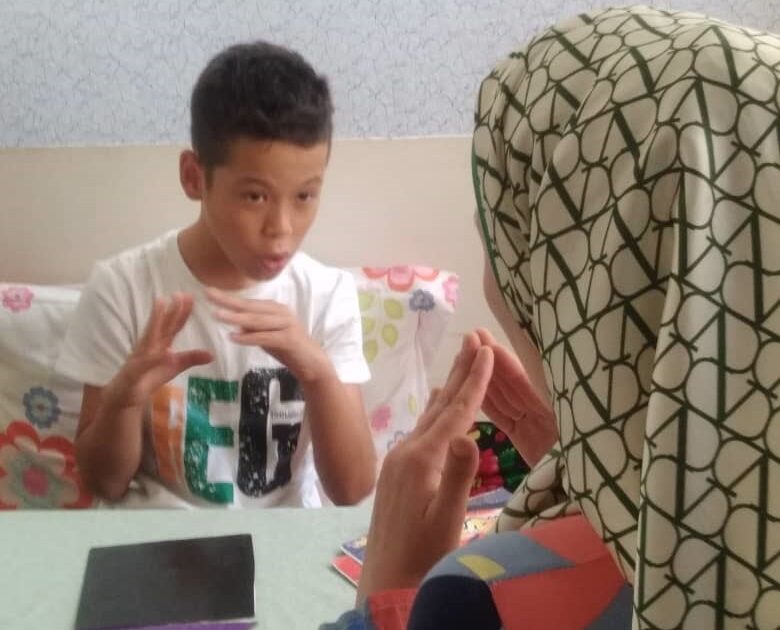
We Learn Together to Improve Our Lives!
Nazira is a mother of a child with disability, and a new staff of our partner organization. She participated in a training on early intervention for children with hearing and visual impairments.
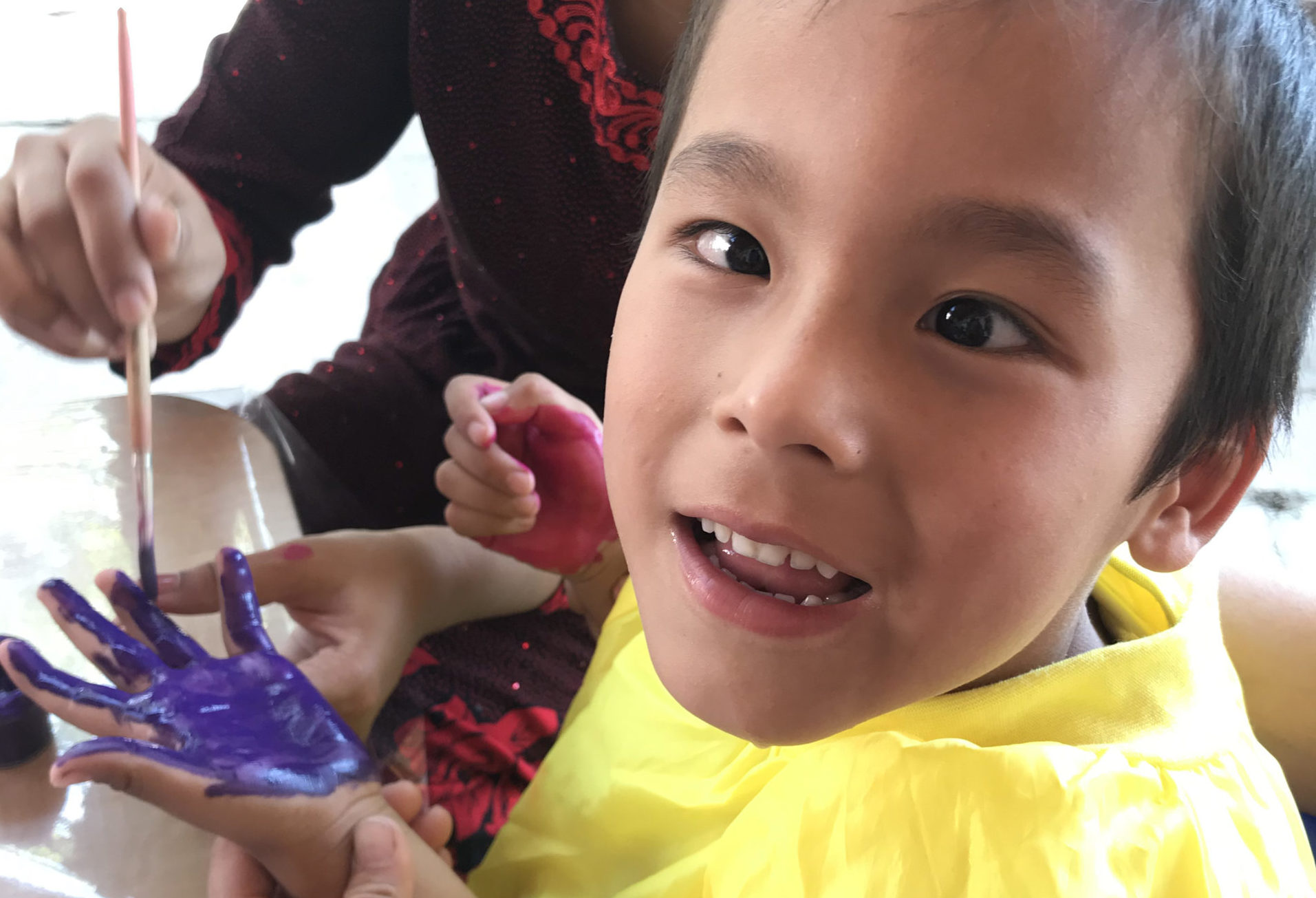
Hope Starts in the Small Things
Most importantly, hope is present for Hamidjon because he has a loving mother, who, through our project, is able to experience support and acceptance, receive counselling and process her grief.
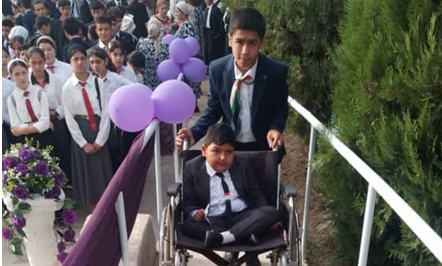
A Community United for Mubariz
As part of our partner’s project on accessibility, the team launched a district-wide assessment in Rudaki. Here they met a teacher who was homeschooling a 9-year-old boy named Mubariz,
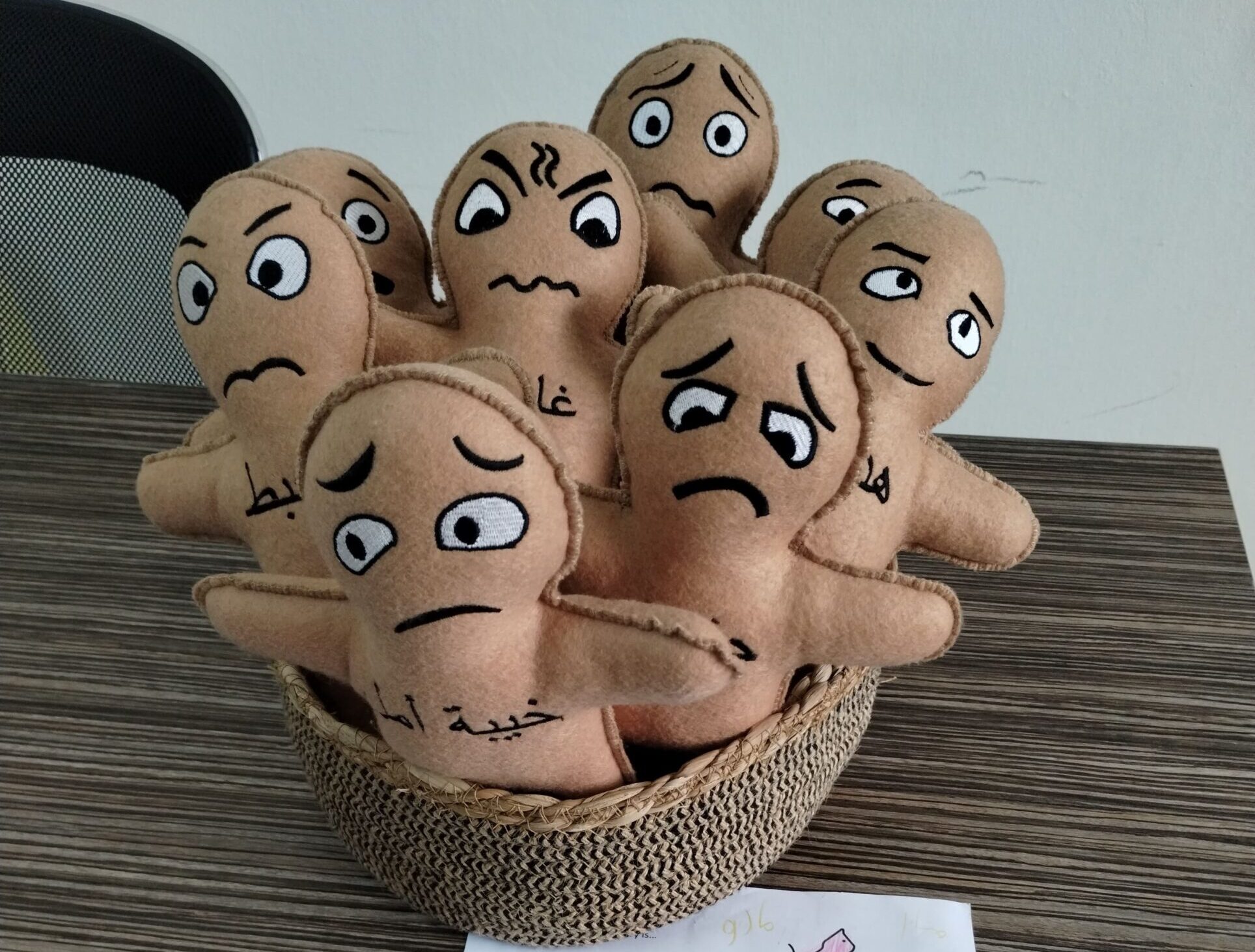
Healing and Growth
During a wedding in a small local village a large fire broke out!
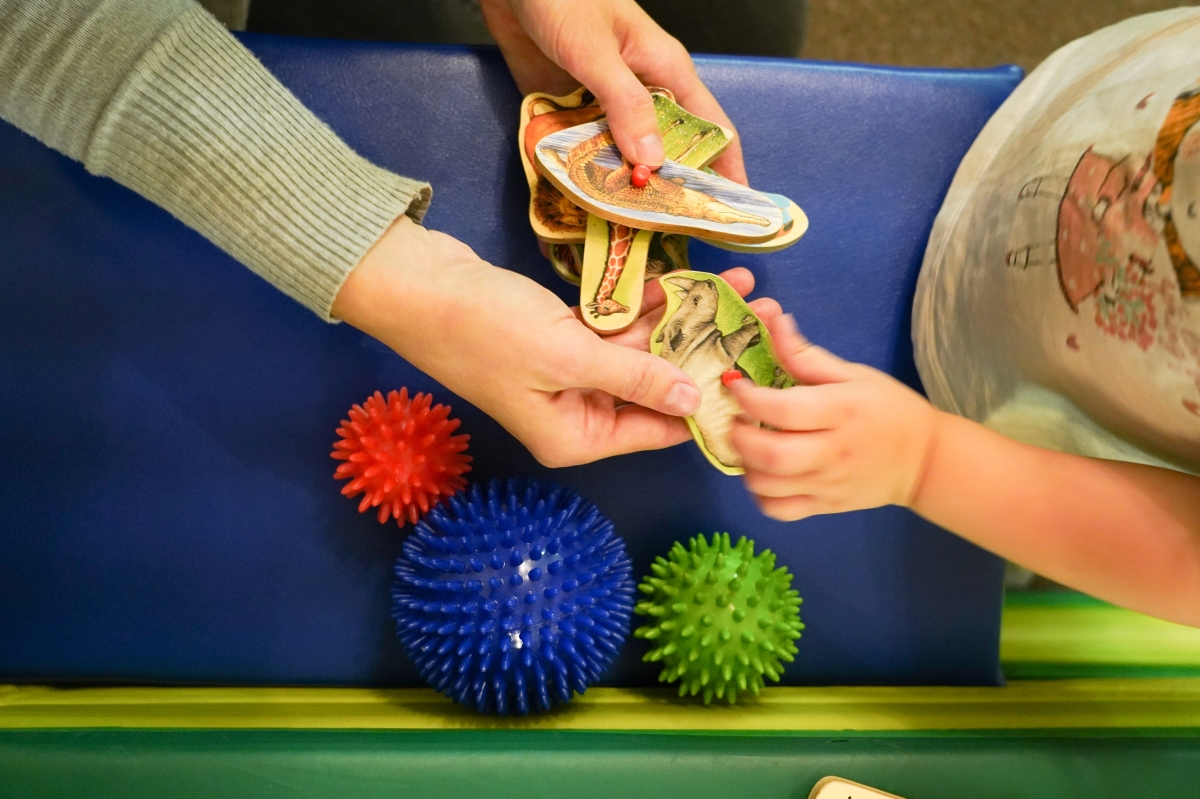
Professionalism Produces Results
Practical training like this empowers therapists to be more professional and to achieve better results in their treatment.
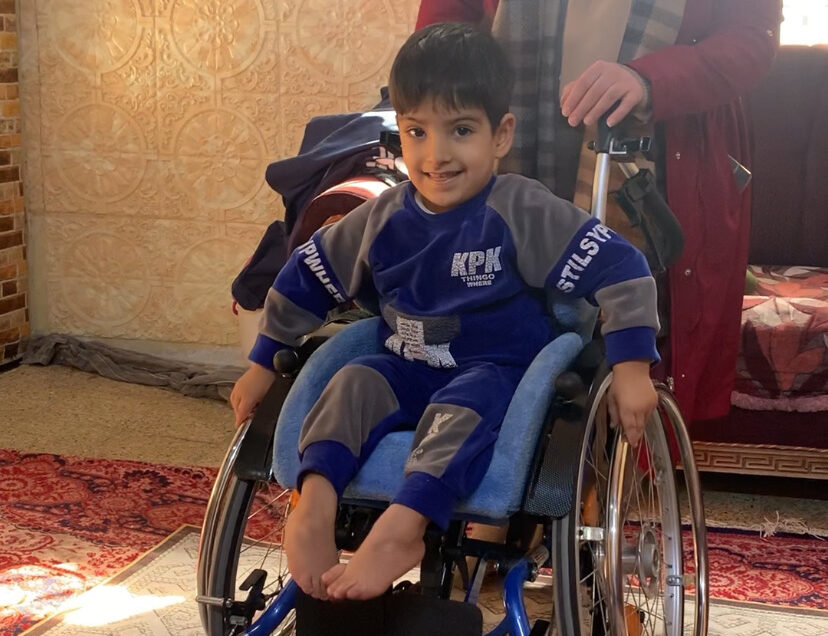
Exploring New Ways of Moving
Yousif, a 4-year-old diagnosed with spina bifida, lay curled up in the corner of the living room floor. The doctors had told his family to give up hope—he was disabled and would remain that way for the rest of his life.
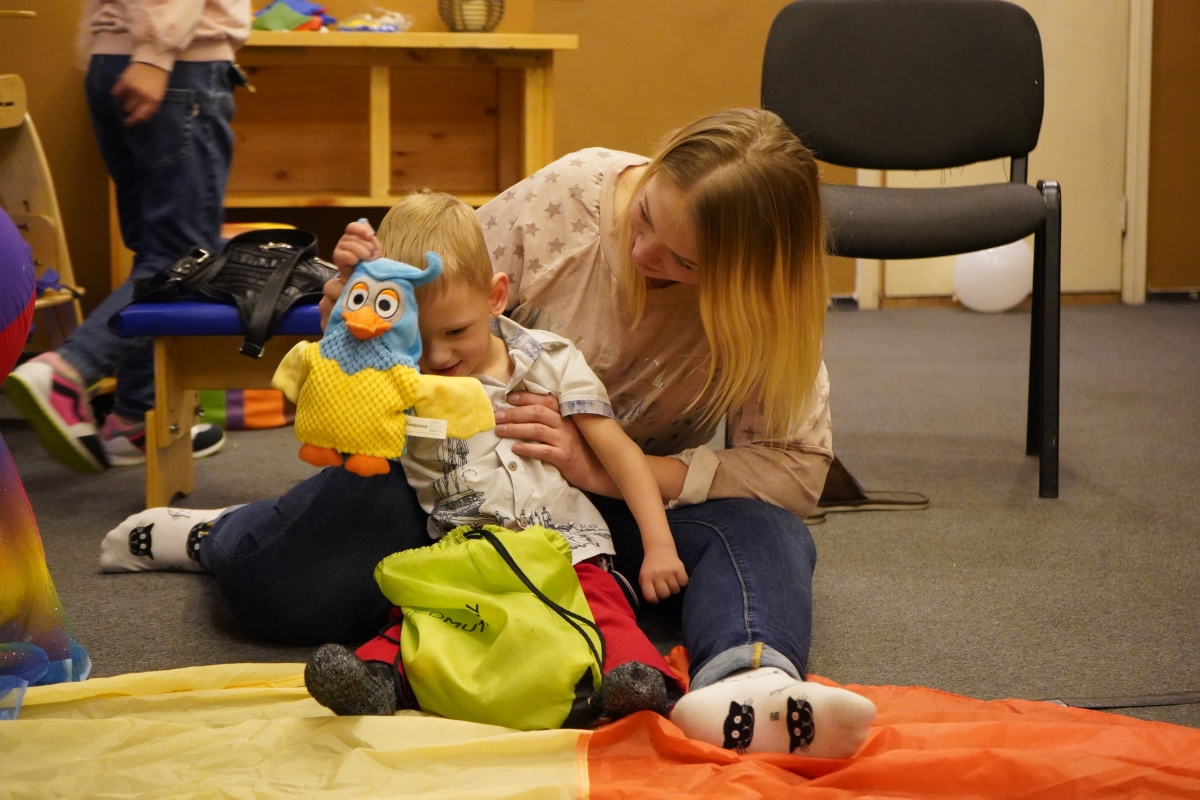
Now He Sits Like a King!
Positioning and proper support for children with cerebral palsy is crucial to their development and also to interacting and engaging with their environment.
Schooling Requires Cooperation
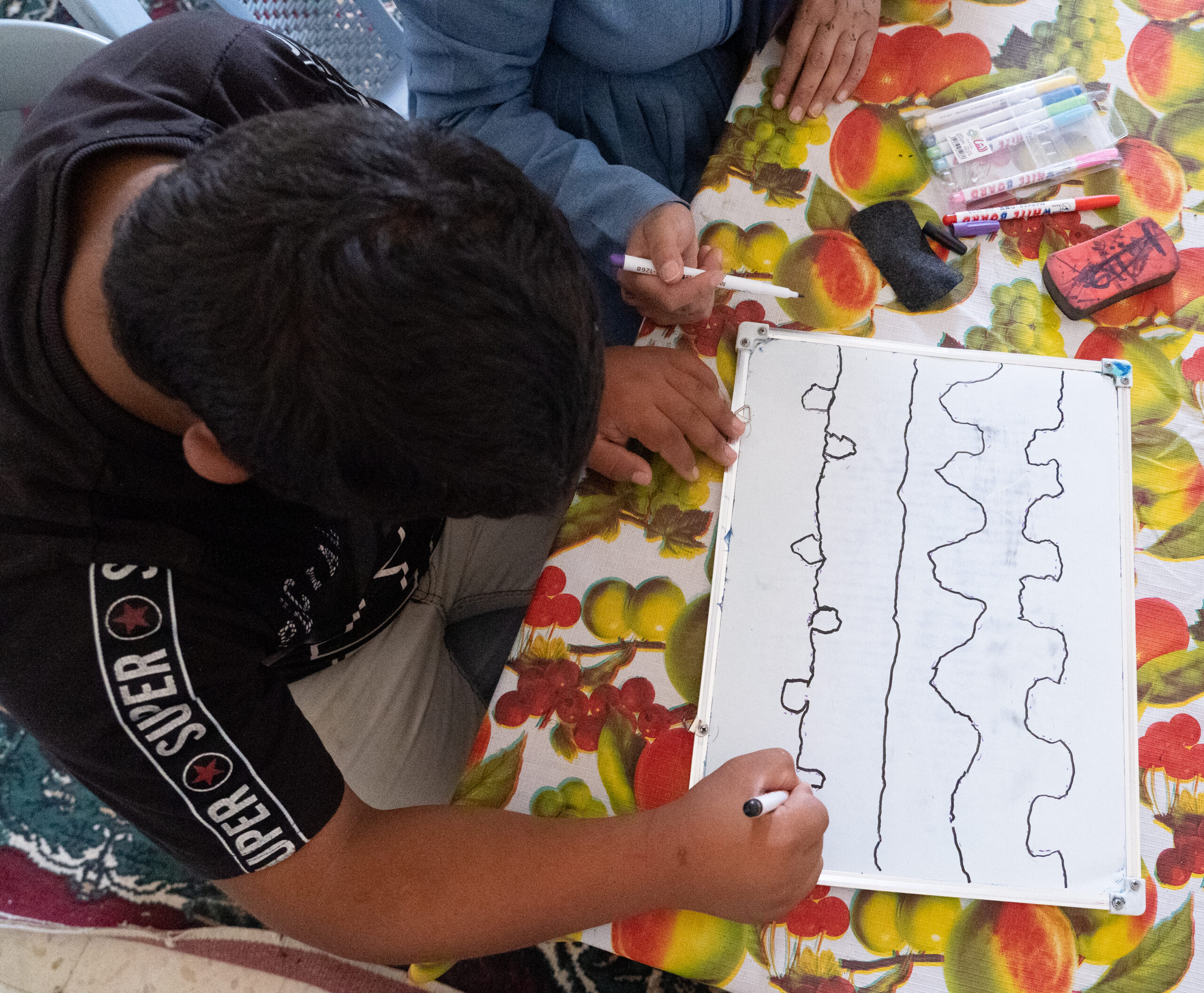
Adnan loves school. His mother smiles with pride and says to the Operation Mercy team, “Every day he wants to go to school.” Naturally gifted with a friendly and bold personality,
A New Chair
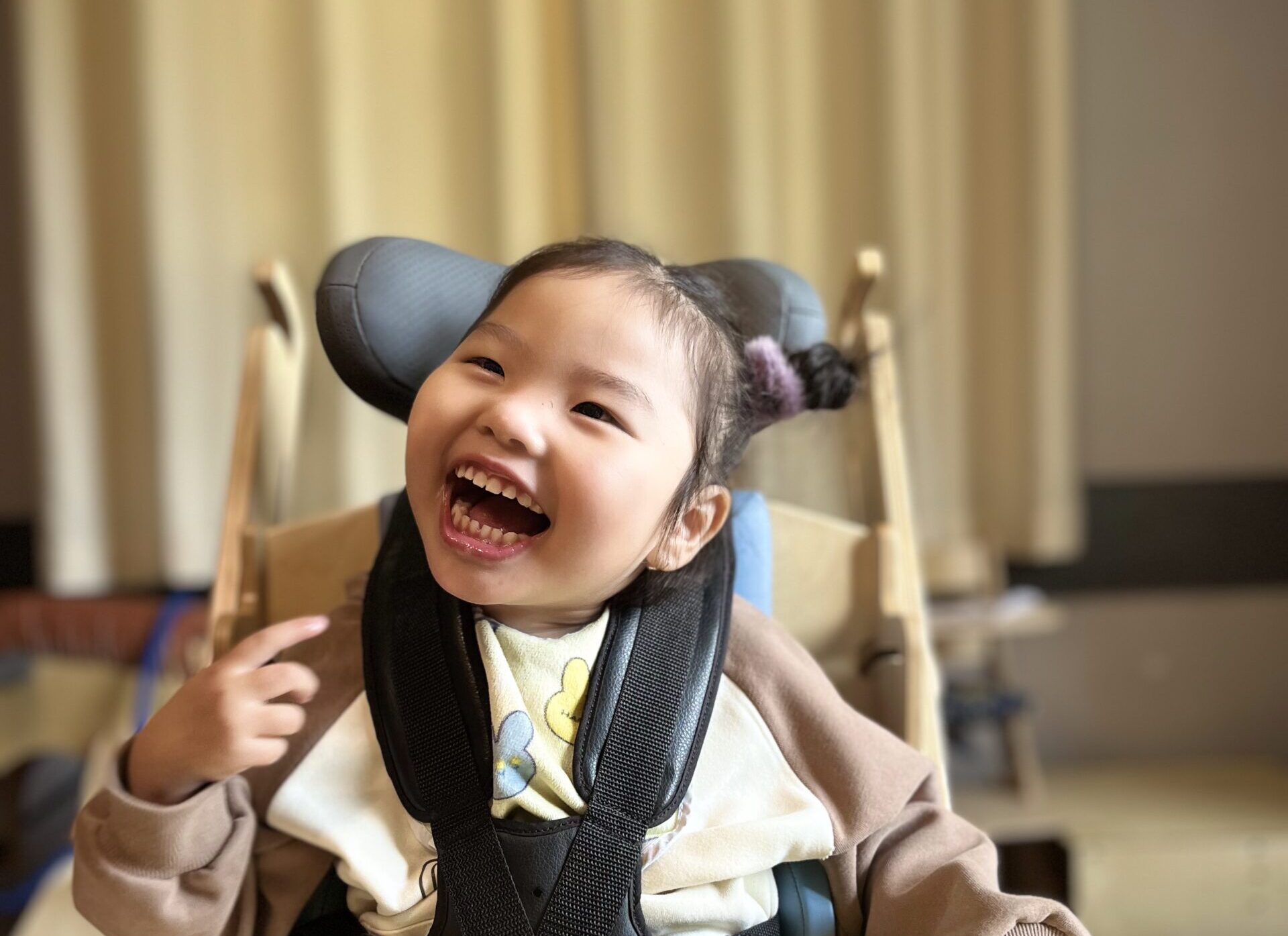
She really enjoyed her new chair and even after this very short time, it was recognisable that her body posture had already been improved.
Mothers’ Meeting
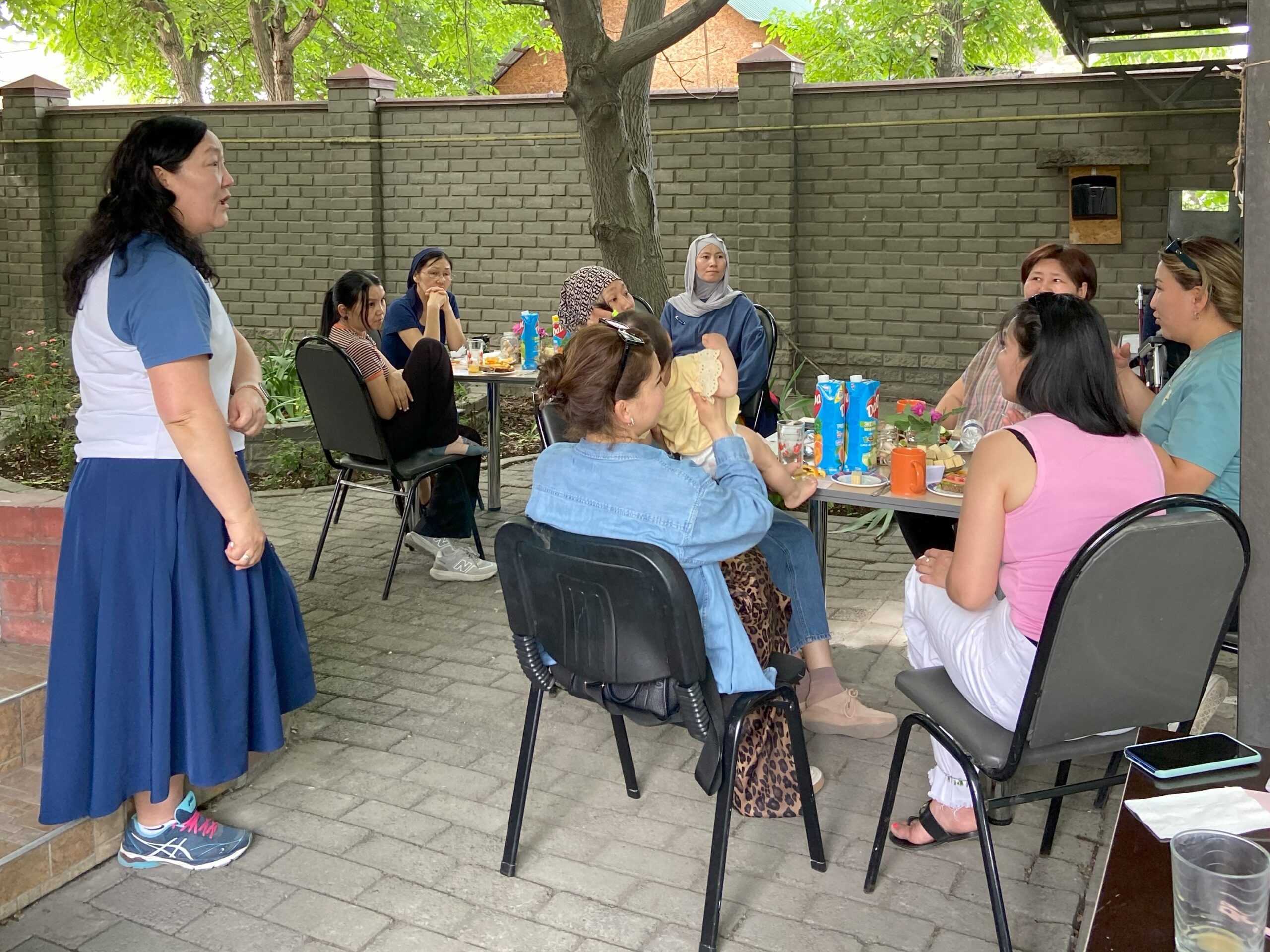
Many mothers of children with disabilities live in deep isolation.
The View Changes
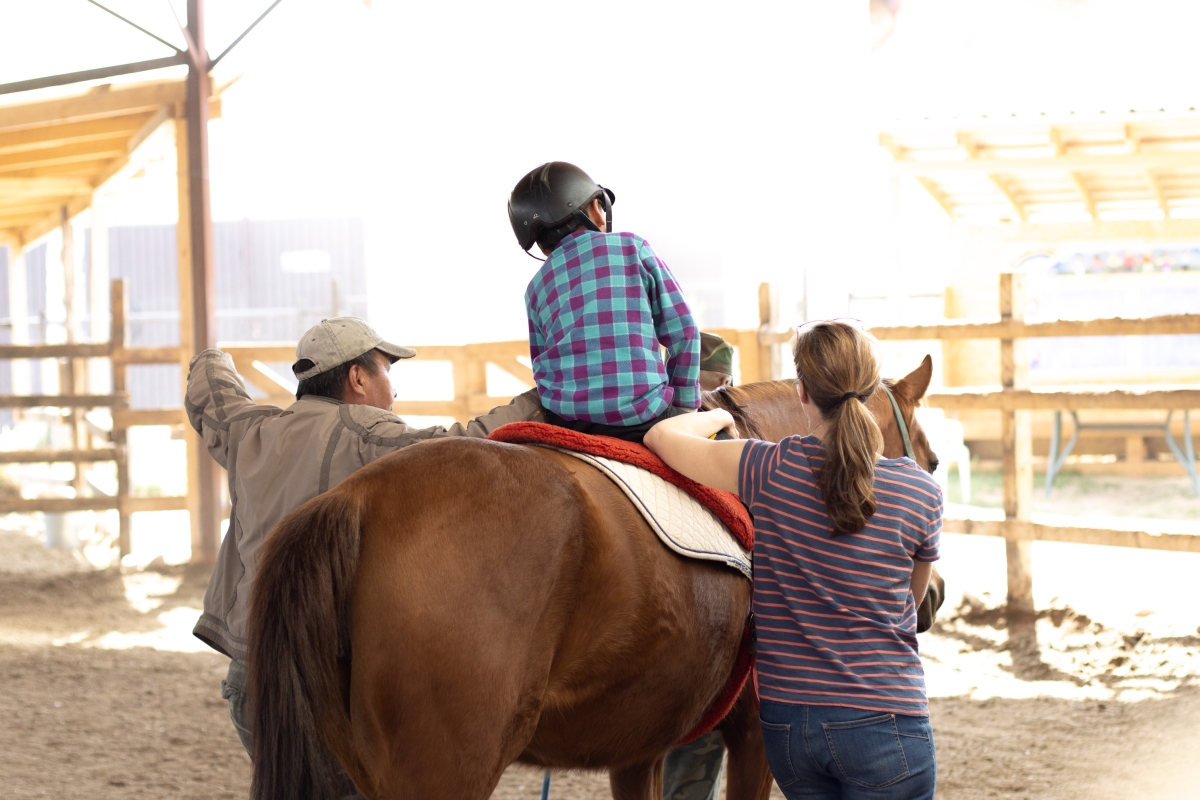
After a couple of sessions on the back of a gentle horse, Jamal now rides with a smile on his face.
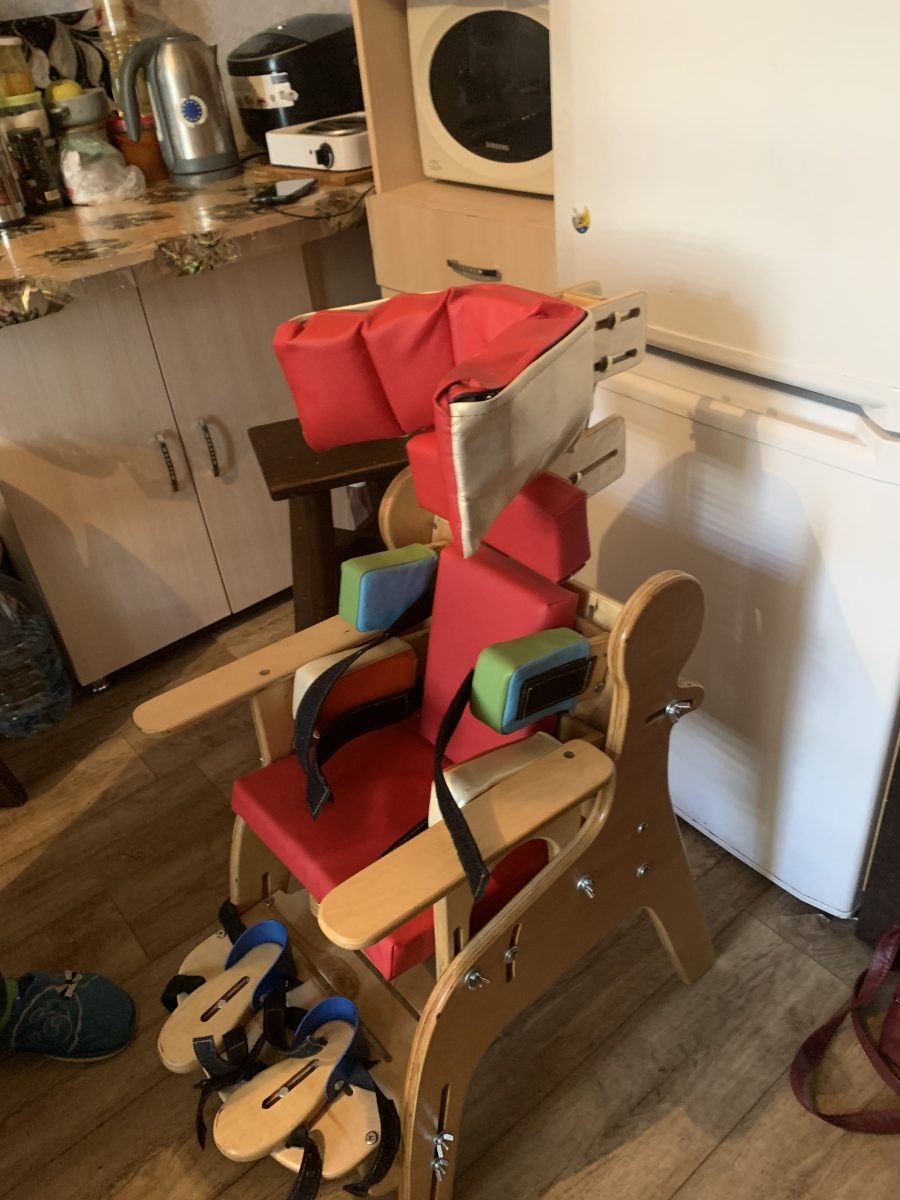
Partnership for Change
Both organizations continue to work in partnership with the mom and her son and we are seeing positive changes in their lives.
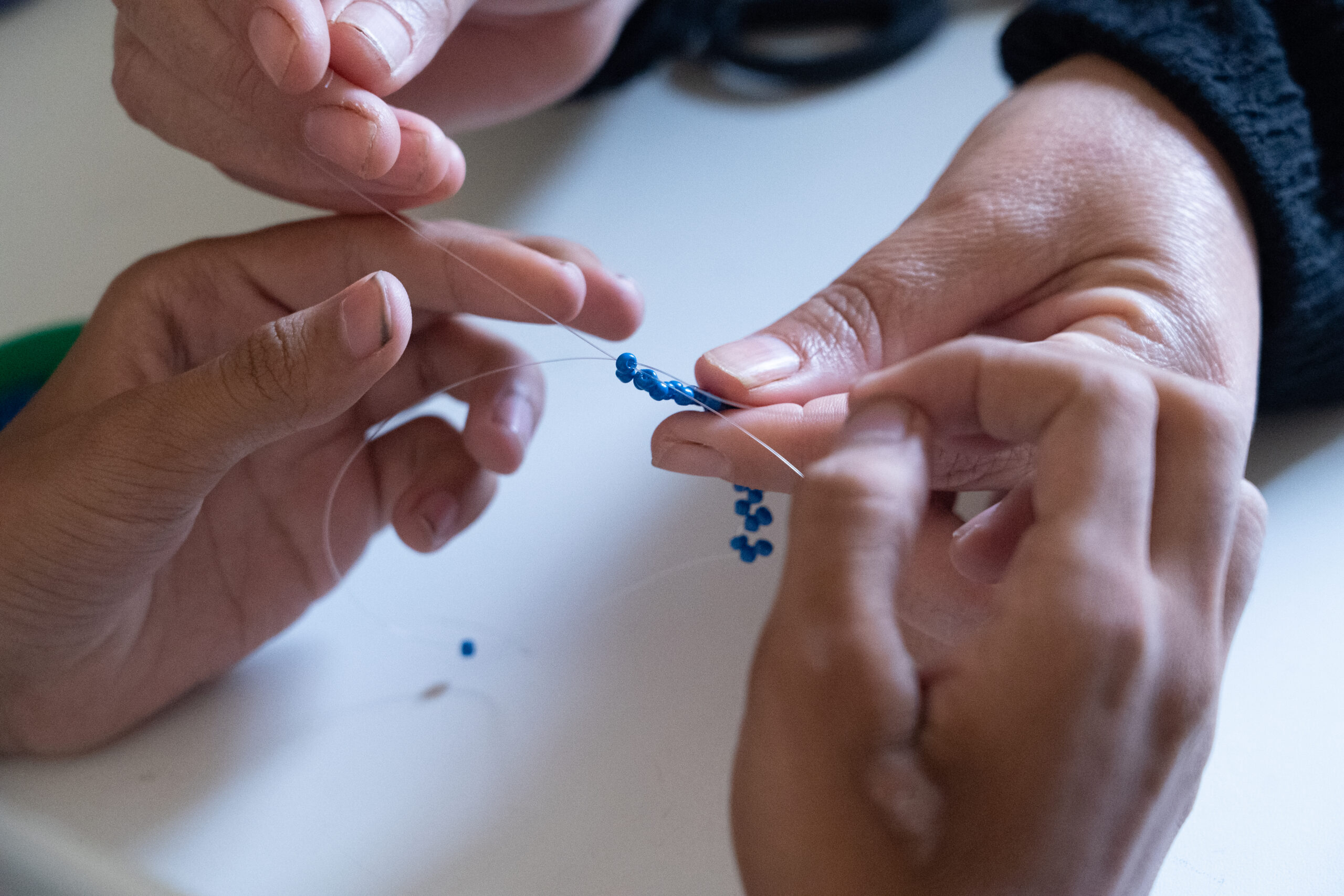
“Will we finally move now?”
“Will we finally move now?” The smile on Rania’s face was unmistakable. A combination of elation, joy, and anticipation was reflected in her expression as she entered the room and,
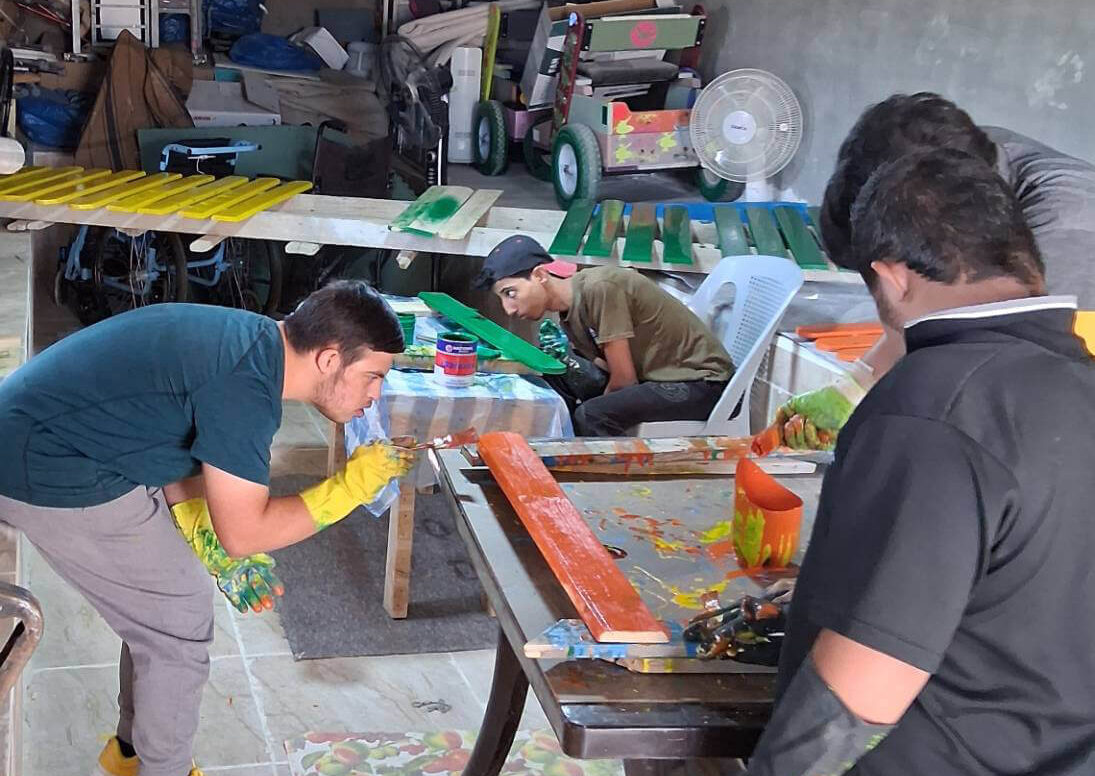
Colours of Hope
A new initiative started at the beginning of the year with the aim of training a group of teenage boys with disabilities in practical skills. By learning to repair wheelchairs,
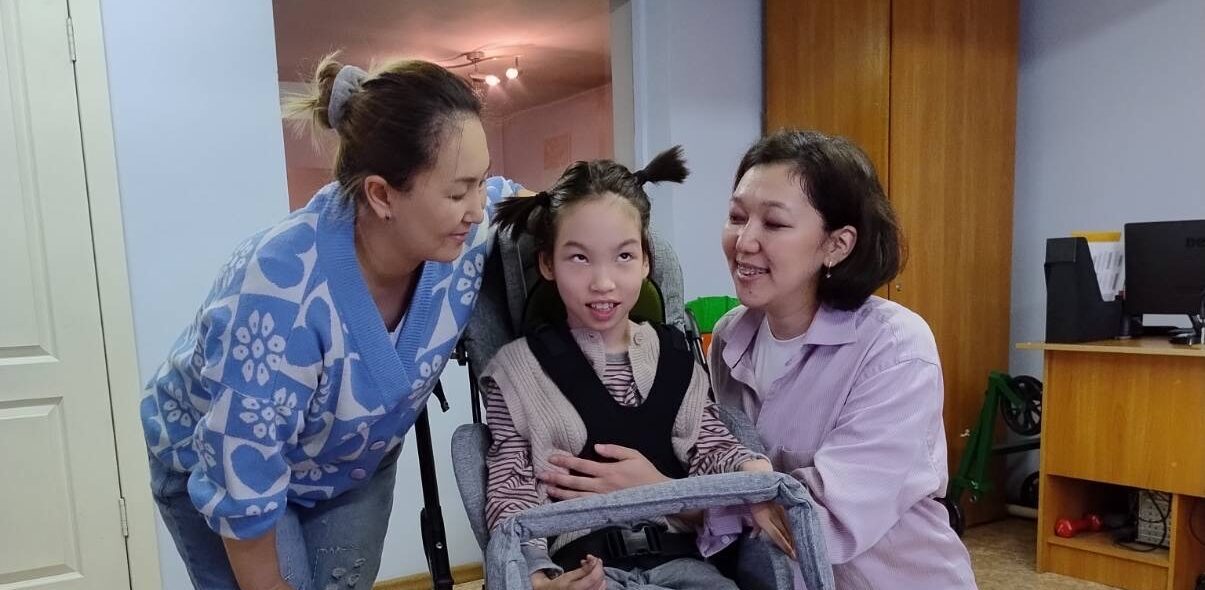
Empowering Mothers
“It is so important that you know your rights!”