
Jordan
Our Agricultural Cooperation for Development (AC4D) project in Jordan, is working within communities to support farmers with cost-effective technologies to aid in the management of the most pressing issues in the smallholder agriculture in the Middle East.
Over the last two years two young farmers have been using the strategy of “active deferment” on low cost and highly saline land to bring that land previously unusable land into productive use for bananas and dates.
These young men are unique due to the fact that they are YOUNG, a rarity in a profession whose average age is over 60 across the globe. Their very public and very successful trials have loaned a lot of credibility to our farmer support program by demonstrating to all of the small farmers around them that the use of our deferment technique can be economically beneficial in situations not managed by foreigners and backed by foreign investment and expertise.
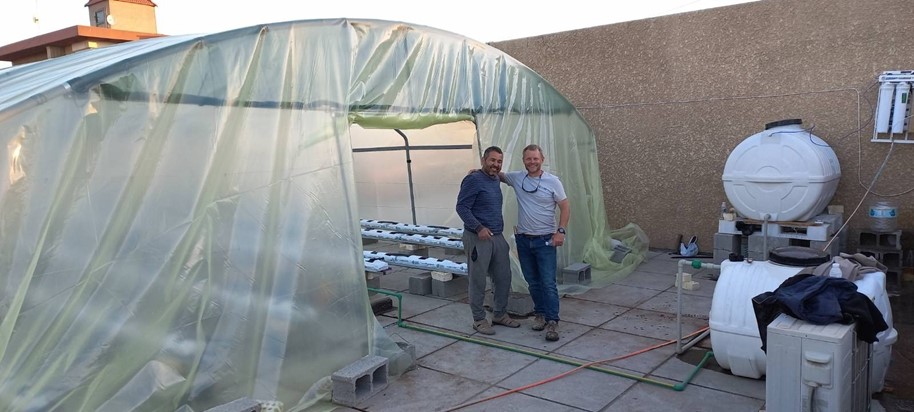
Innovation and creativity are key!
Innovation and creative marketing are a key (and necessary) component of young farmers in Jordan
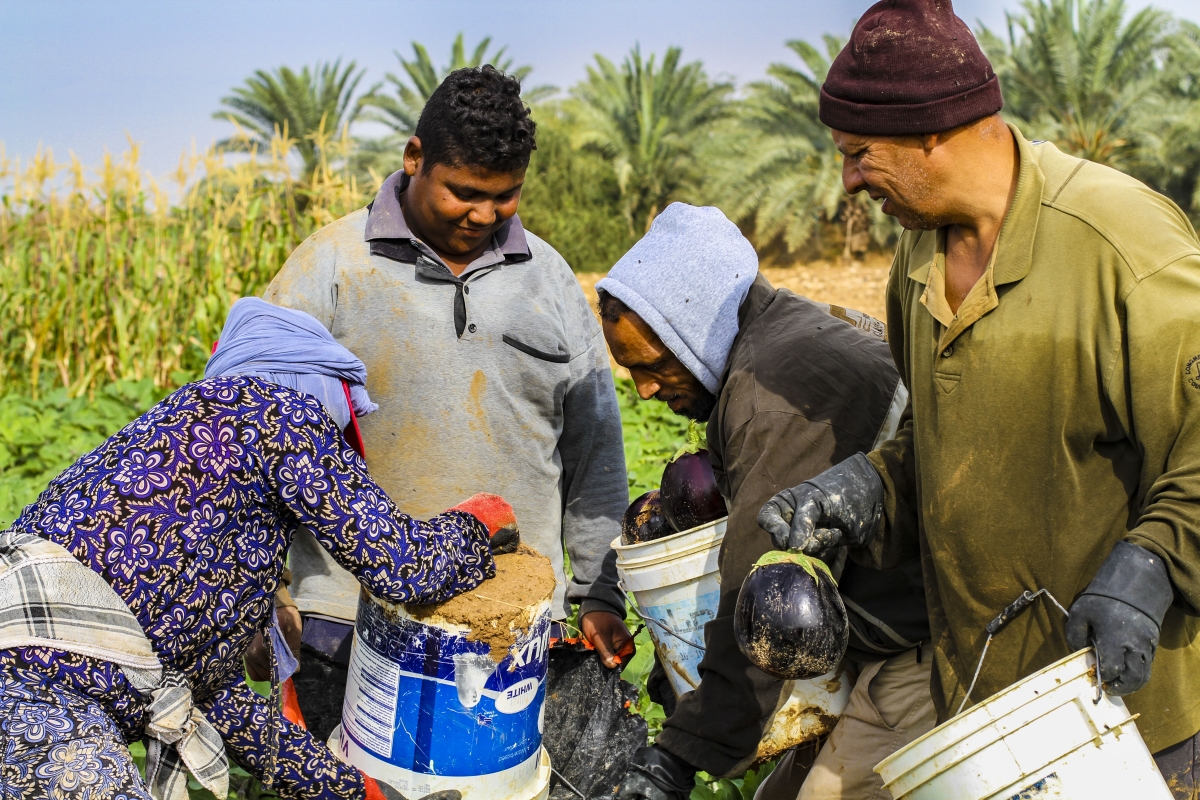
From Desert Diesel Tank to Fertile Market Garden
10 years into the Syrian conflict, people remain resilient for their children’s sake, and they still hope to go home even if they can’t imagine how that will work out.
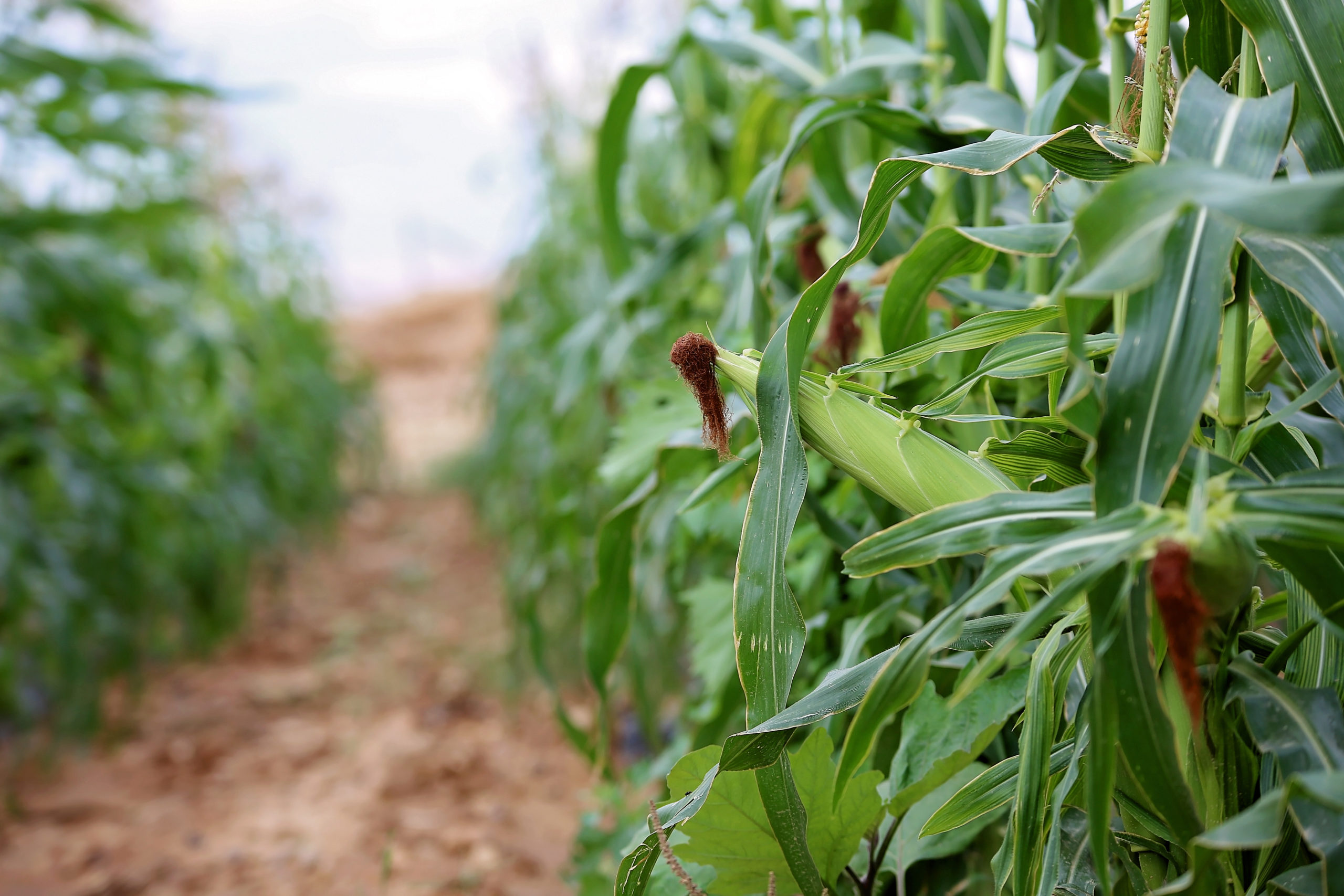
Incorporating Technology with Traditional Farming Practices
A new generation of younger farmers, having access to the internet, are considering how to incorporate technology with traditional farming practices.
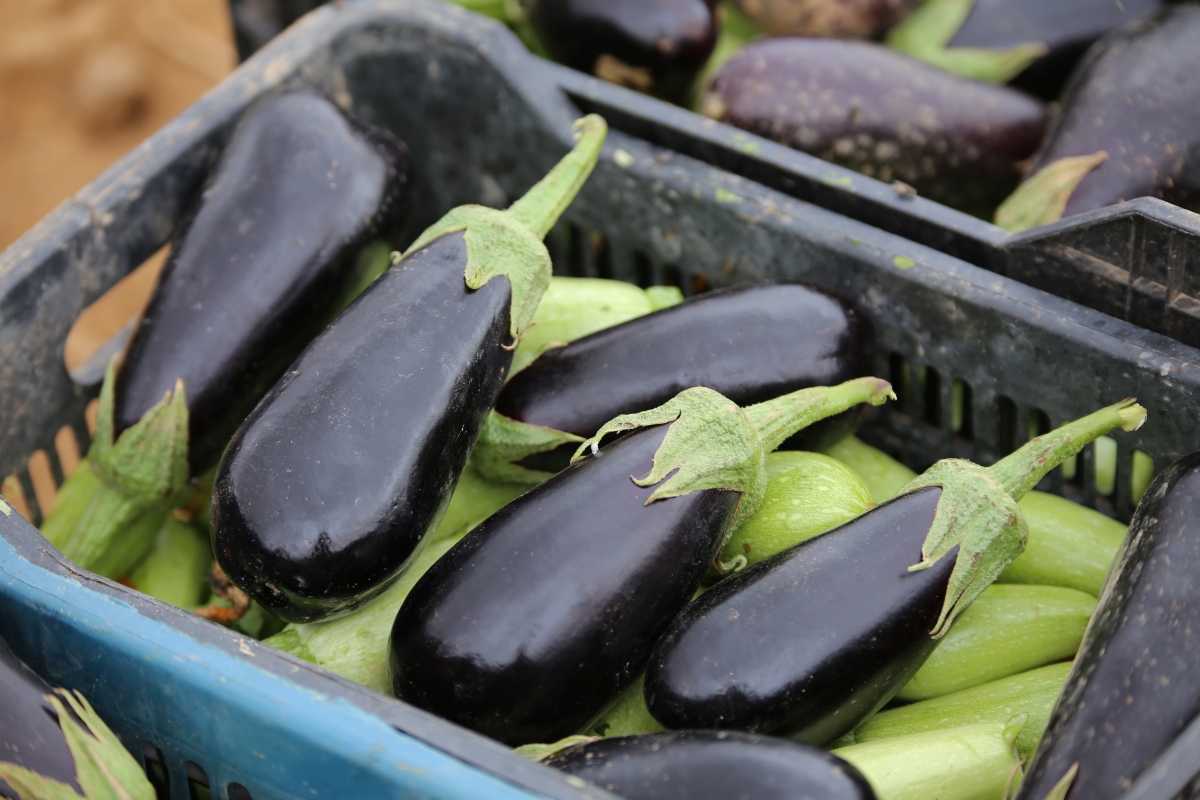
Nutritional Diversity: From Farm to Table
There must be zucchini, eggplant, cauliflower, corn, cabbage, and peppers.
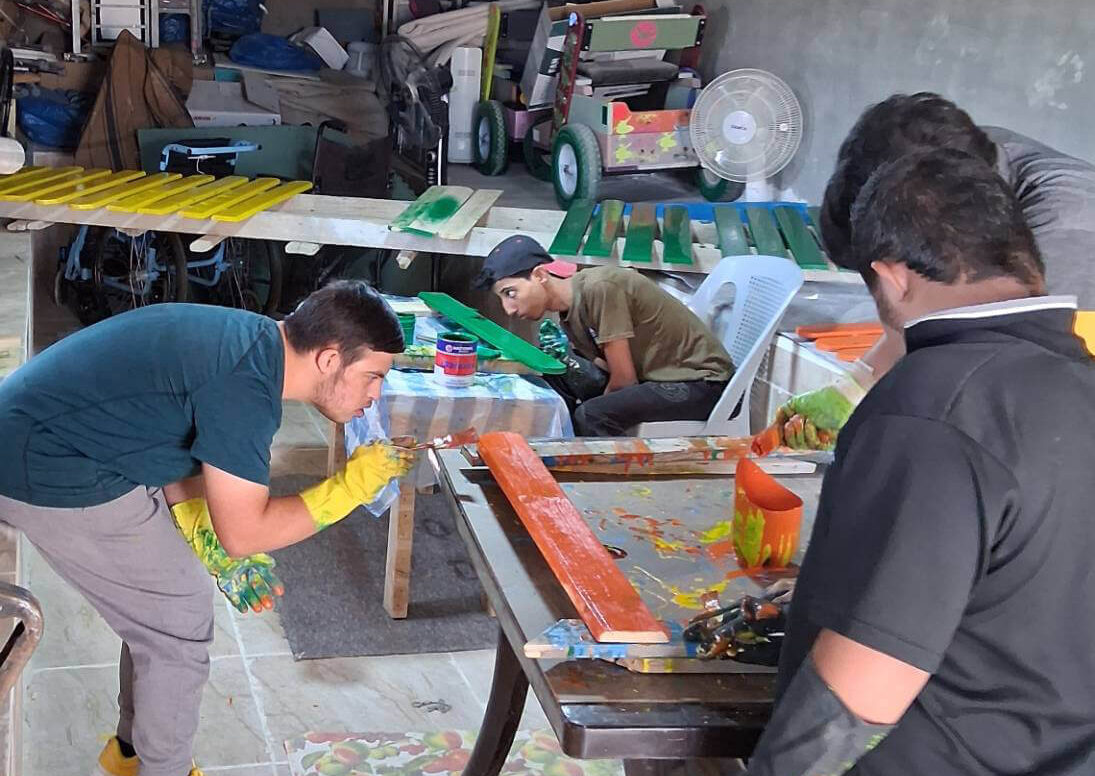
Colours of Hope
A new initiative started at the beginning of the year with the aim of training a group of teenage boys with disabilities in practical skills. By learning to repair wheelchairs,
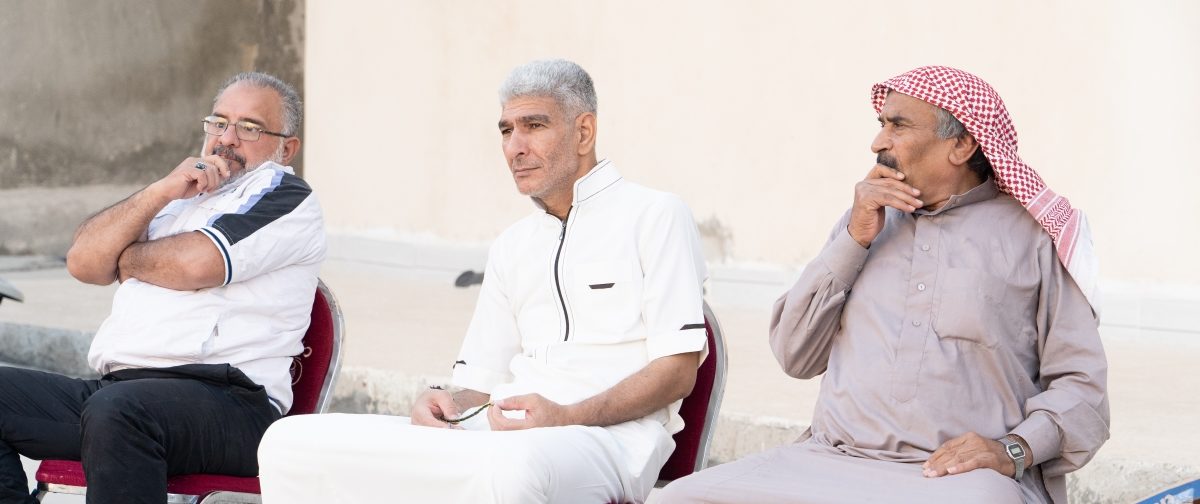
A Flower and a Dinar
Ahmed holds dear the opportunity he has to illustrate to the participants their worth in the eyes of their Creator.
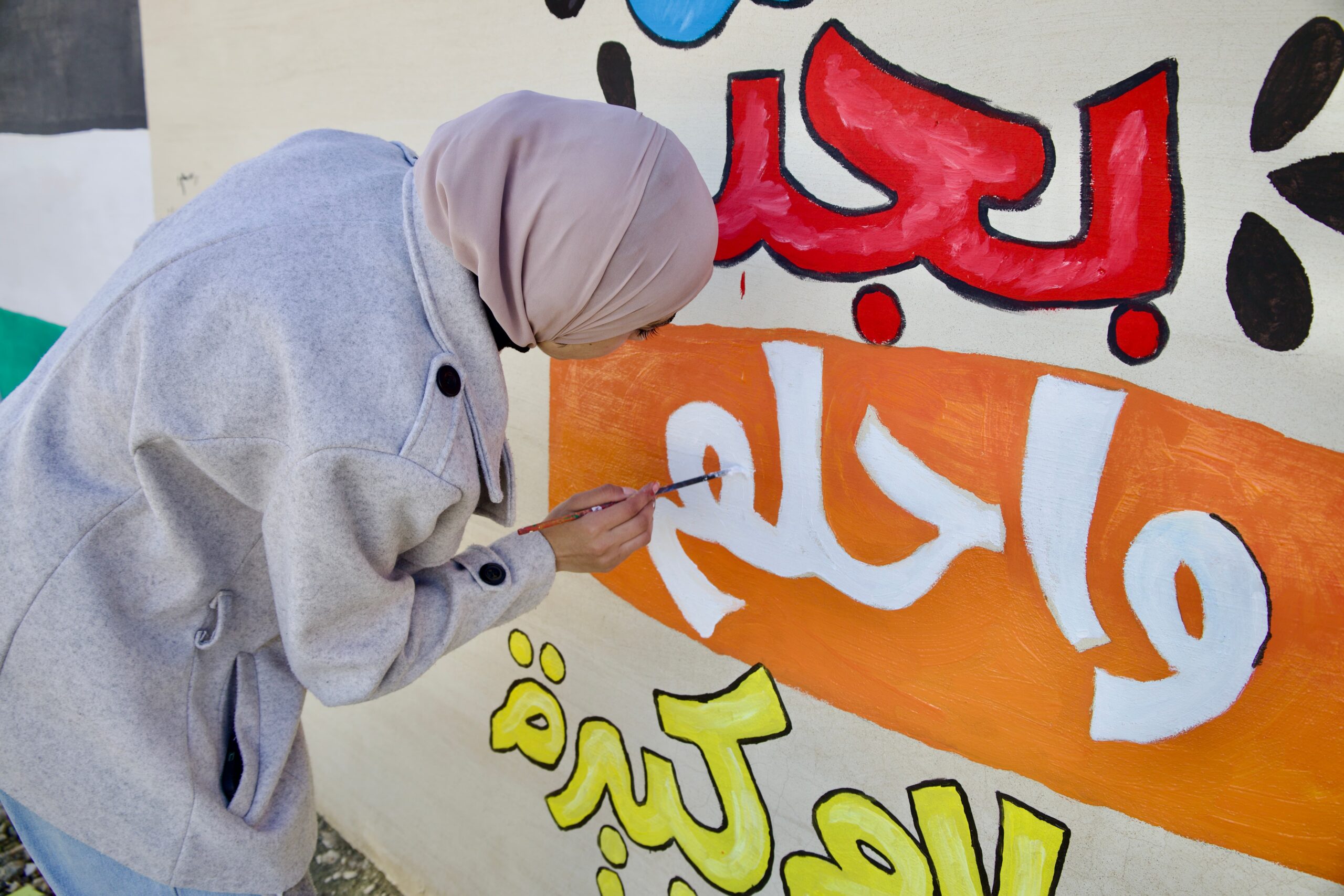
Nurturing a Talent
Every child who comes to the Community Based Rehabilitation (CBR) center in Jordan brings their own unique gifts, personality, and life to our work. As much as we want to grow their potential in areas where they experience challenges,
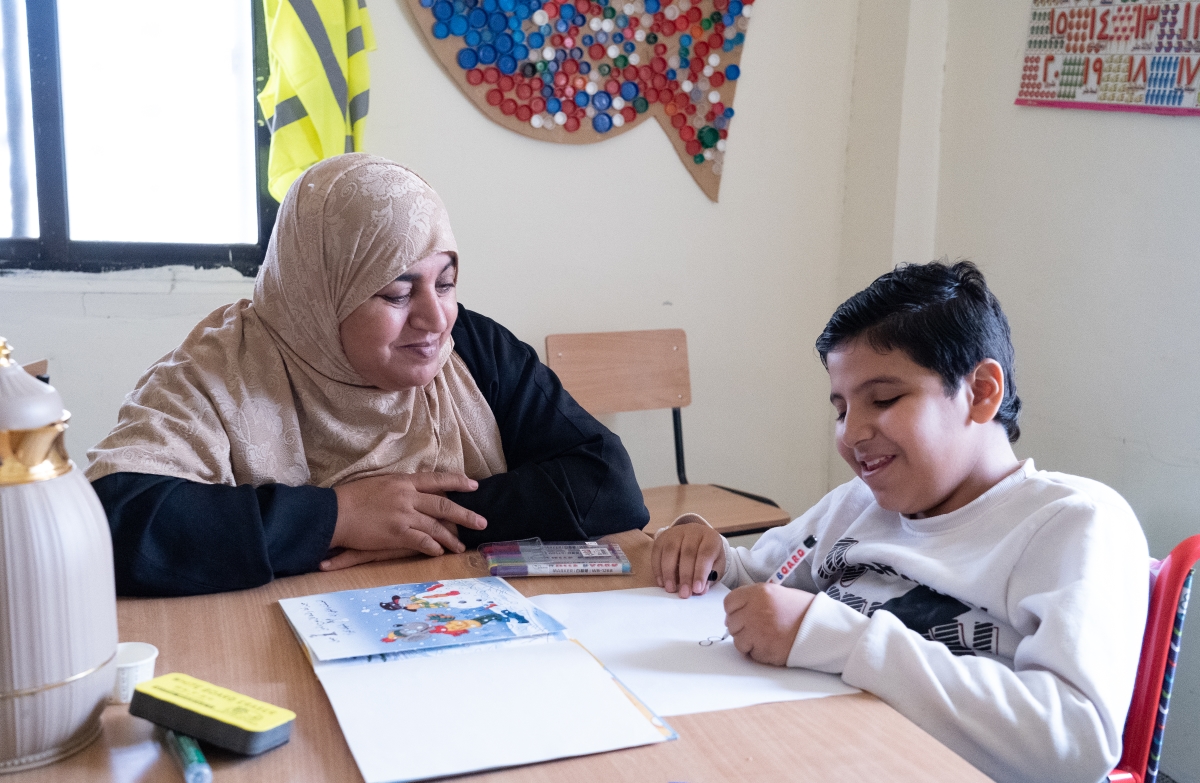
New Horizons
The view of the horizon from the CBR window is changing. As new life sprouts up and lurches forward around the CBR Center and throughout the villages,
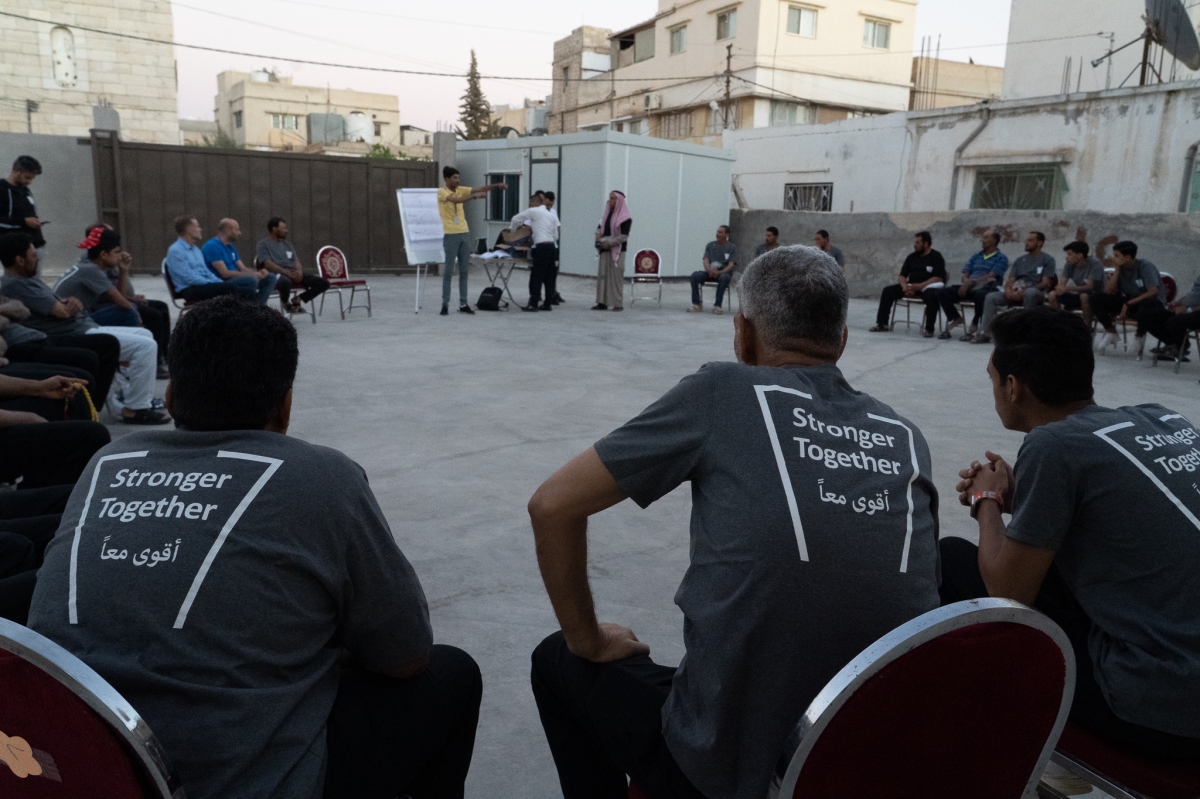
Change Impacts Relationships and Community
This man speaks of the dynamic relational and inner life that develops when participants move through Keystone’s 3-to-6-month training.
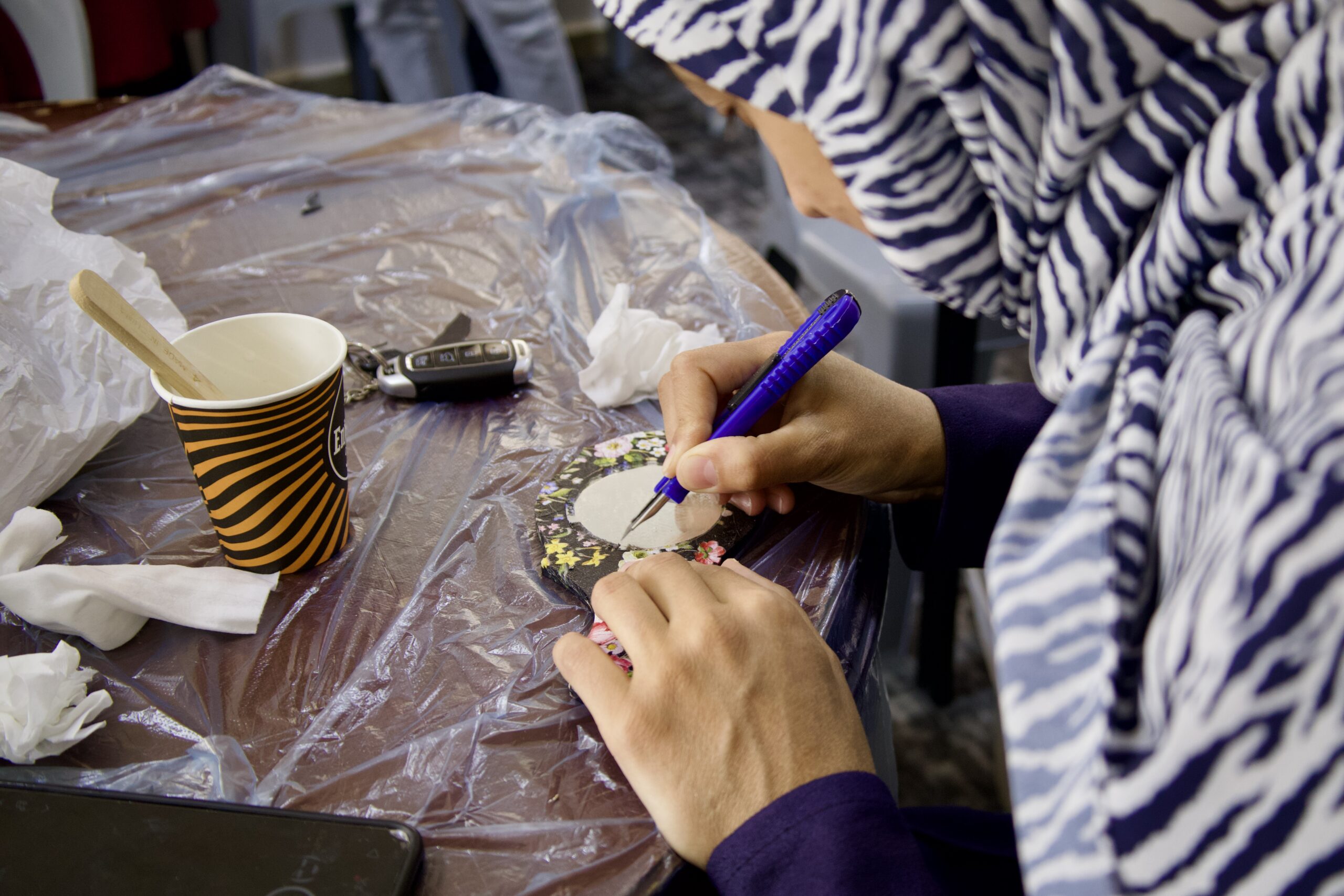
An Event for Mothers
“This is for me?” One of the ladies asked, looking at the beautiful hand-held mirror she just decorated. Her question is perhaps not surprising. For these village women,
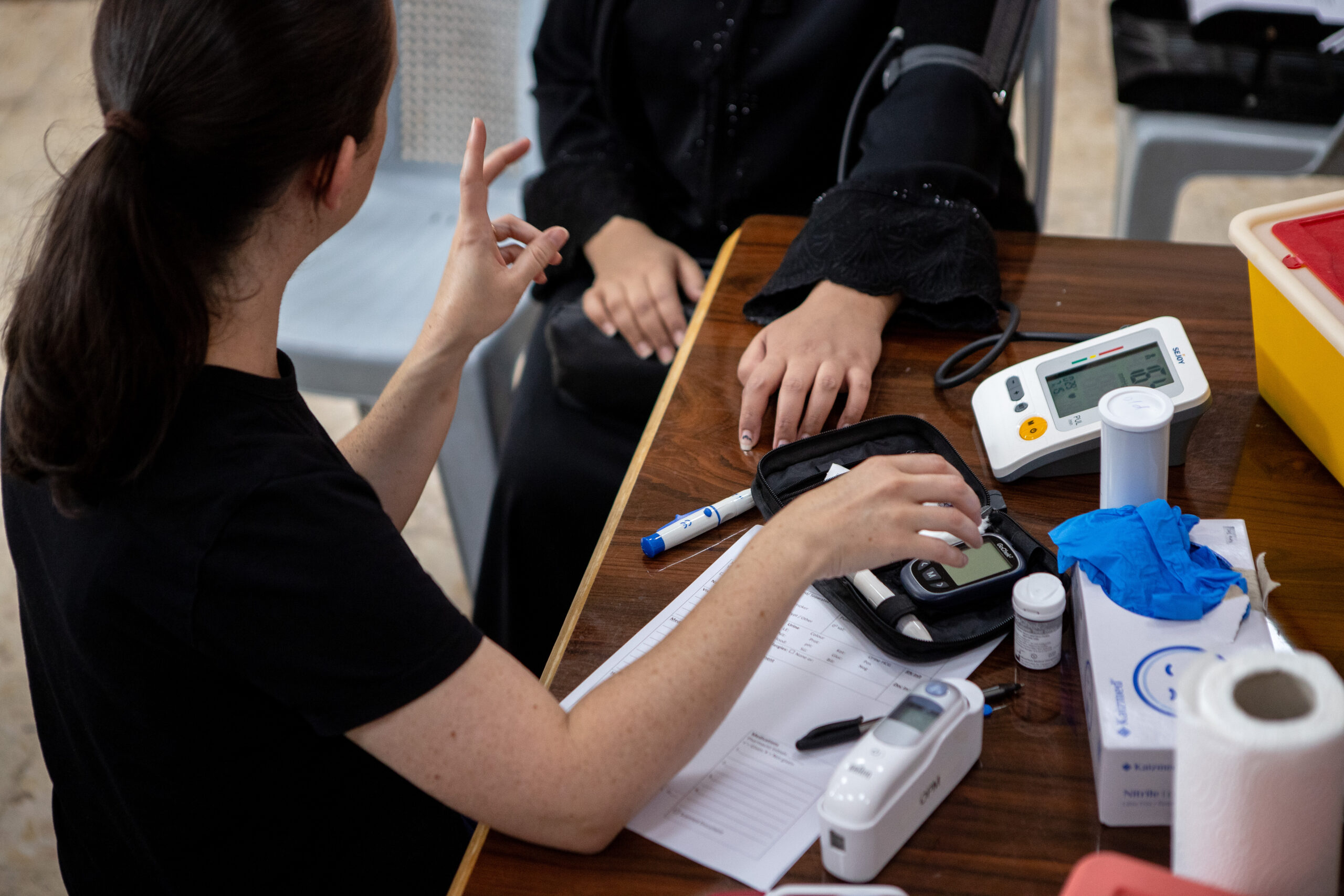
An Exercise Programme For Women
At the end of 2024, we ran a six week exercise program for Jordanian and Syrian women in Zarqa. The women who attended hadn’t had any connection with Operation Mercy in the past.
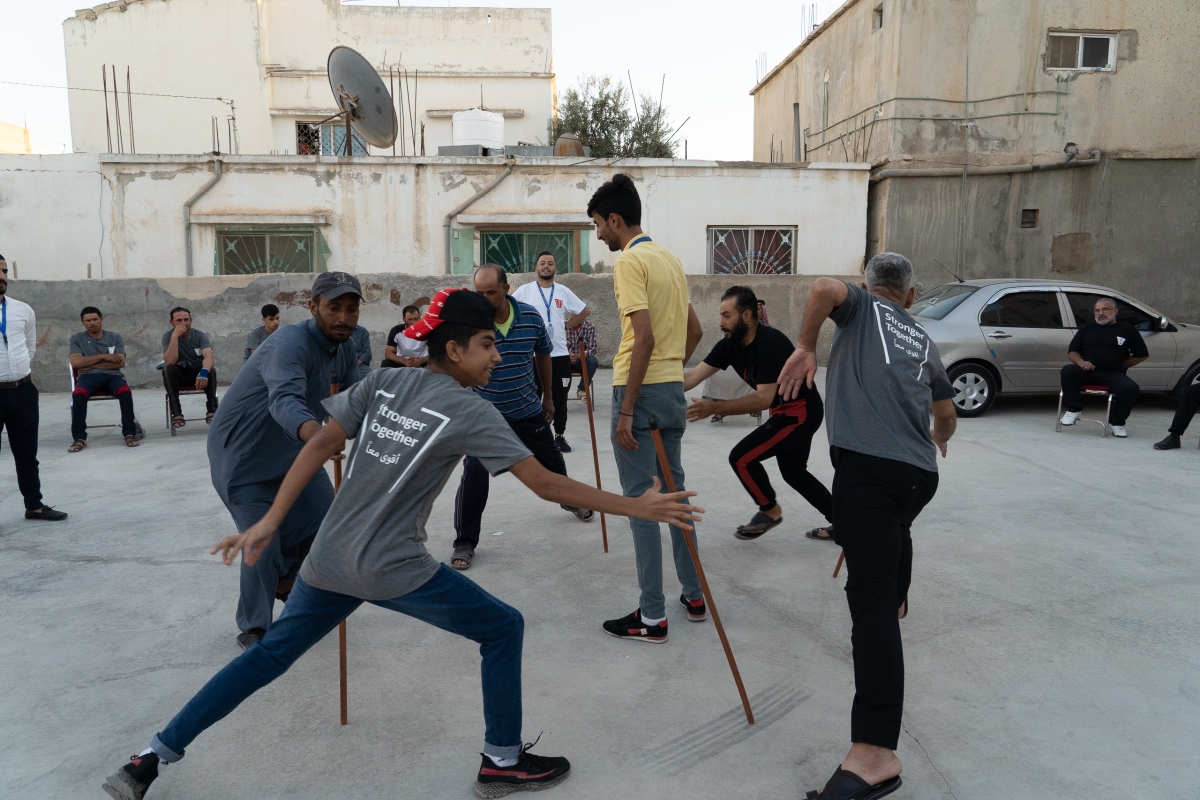
Shoulder to Shoulder
“Before,” shares Hamza, “my relationships were limited. Now, in the project, my relationships grow and grow.”
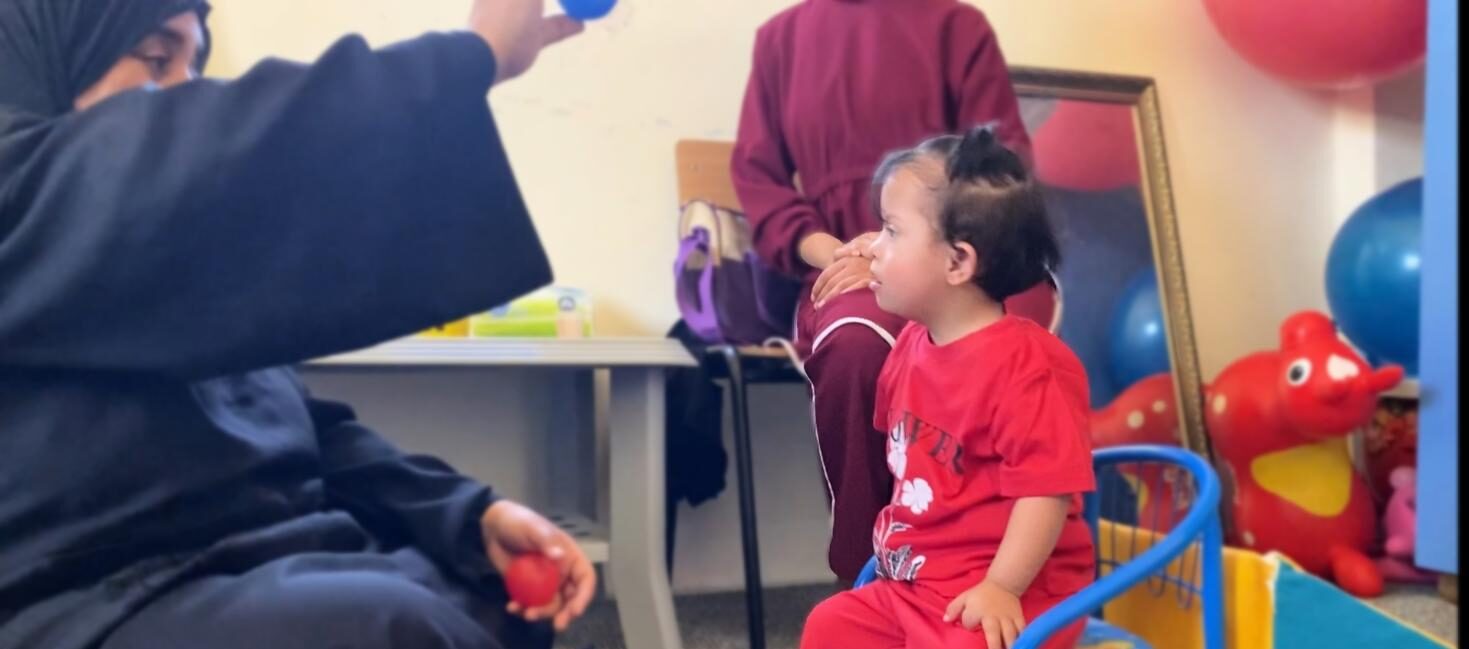
Each Child is Valuable
“I’ve learnt from you that each child is created by God and valuable, and I want to do my best to love and raise her like you would” she said
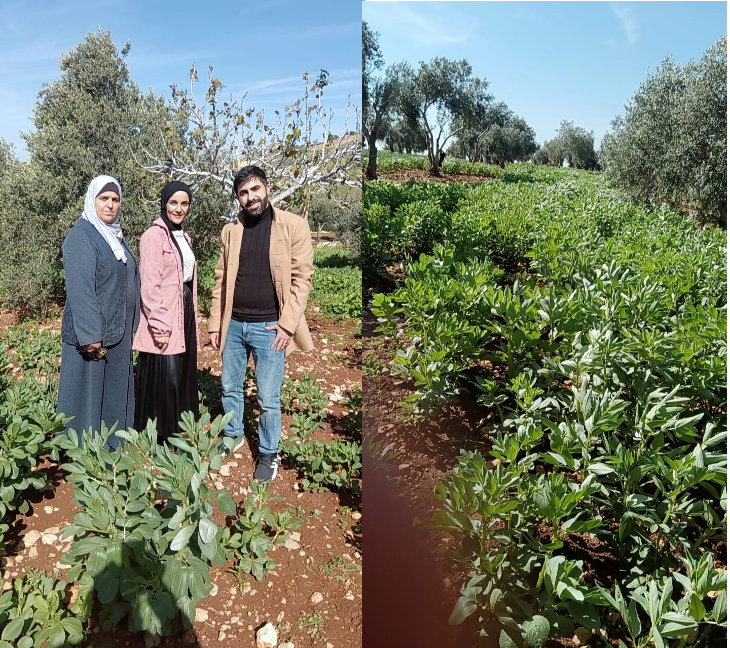
A Savings Group Success Story
My name is Ghada, and I am a member of the Artery of Hope Savings Group.
Today, I would like to share a success story—an idea that started with the savings group and grew into a project to cultivate more than 60 dunams of land.
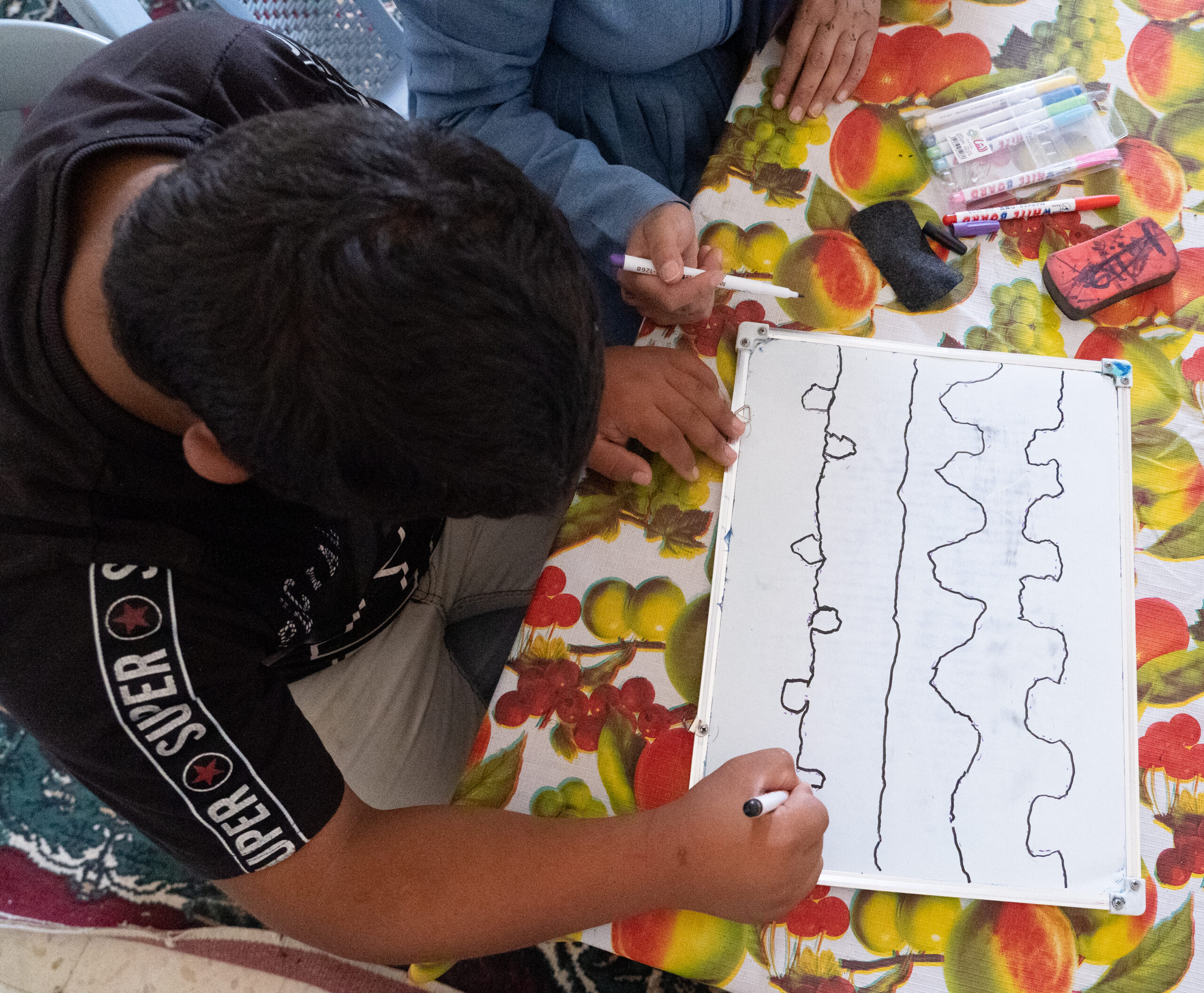
Schooling Requires Cooperation
Adnan loves school. His mother smiles with pride and says to the Operation Mercy team, “Every day he wants to go to school.” Naturally gifted with a friendly and bold personality,
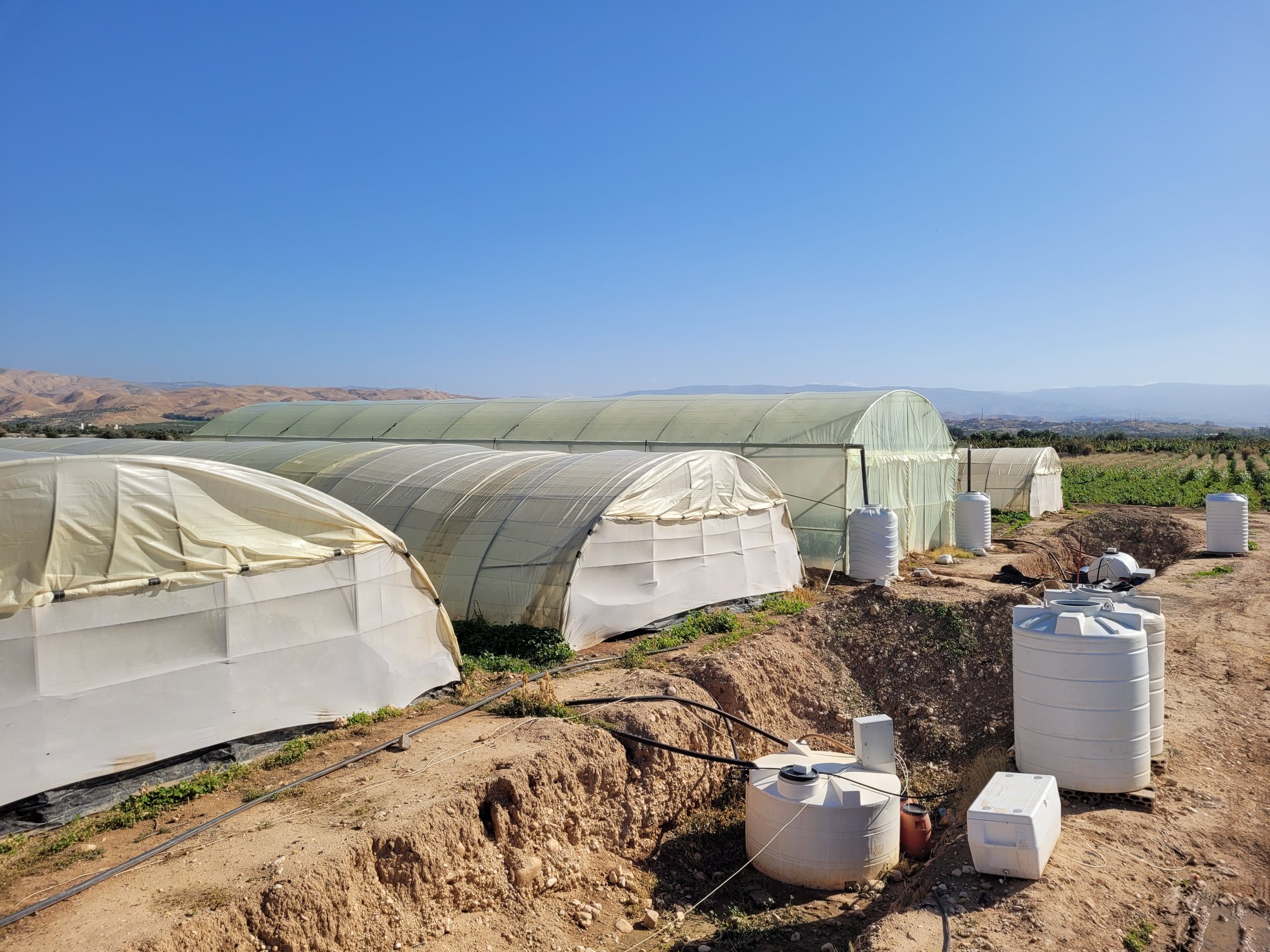
Innovation in the Jordan Valley
Through our Agricultural Cooperation for Development (AC4D) project in Jordan, the introduction of a new type of greenhouse to the Jordan Valley is proving effective in yielding more peppers per unit of water and producing food significantly faster than traditional greenhouses.
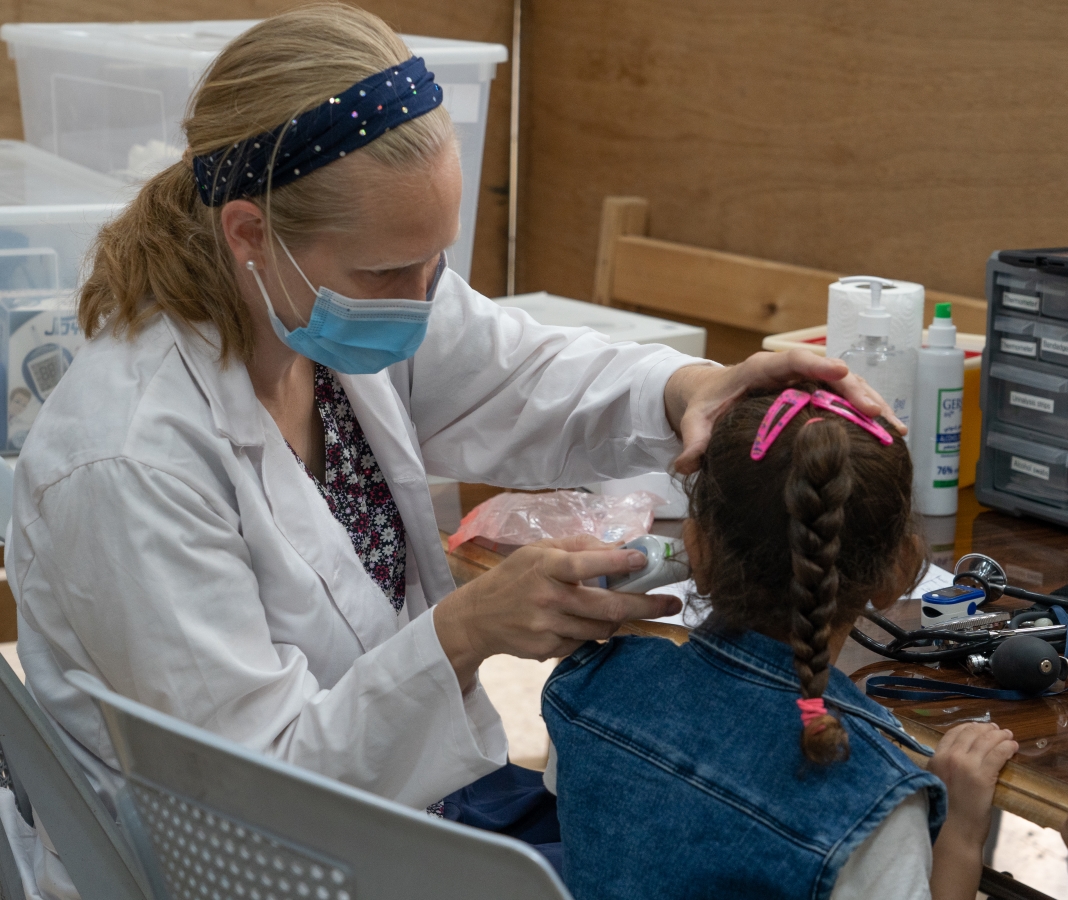
Professional and Interpersonal Development
“The people here stood with me,” says Om Waleed*, recounting her young daughter’s need for surgery. “Even though my family is all the way in Syria,
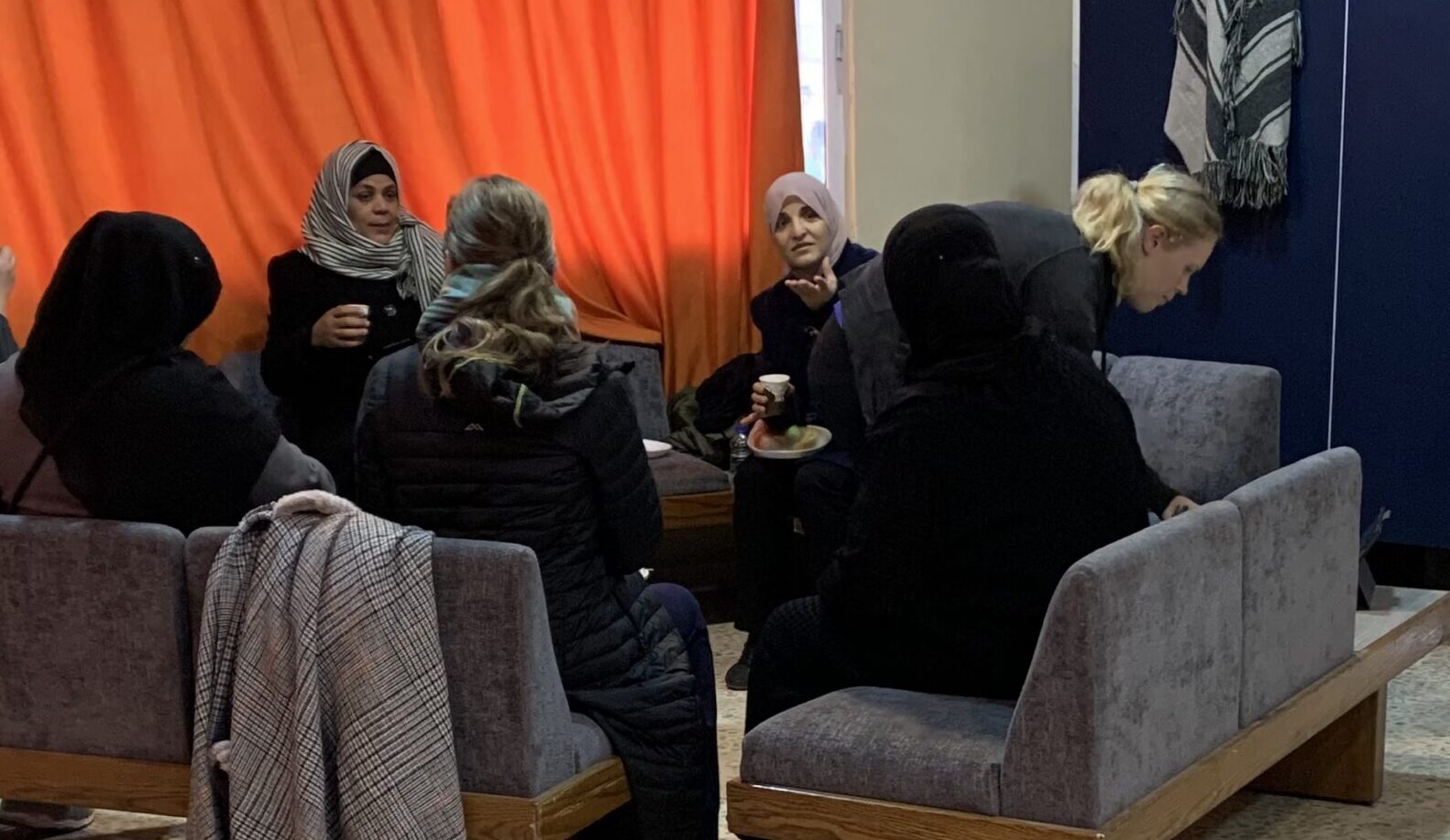
Refugee Health Response
In our Community Health Project in Jordan, we are seeing lives transformed through health screening and education. We work in partnership with local organizations, medical professionals,
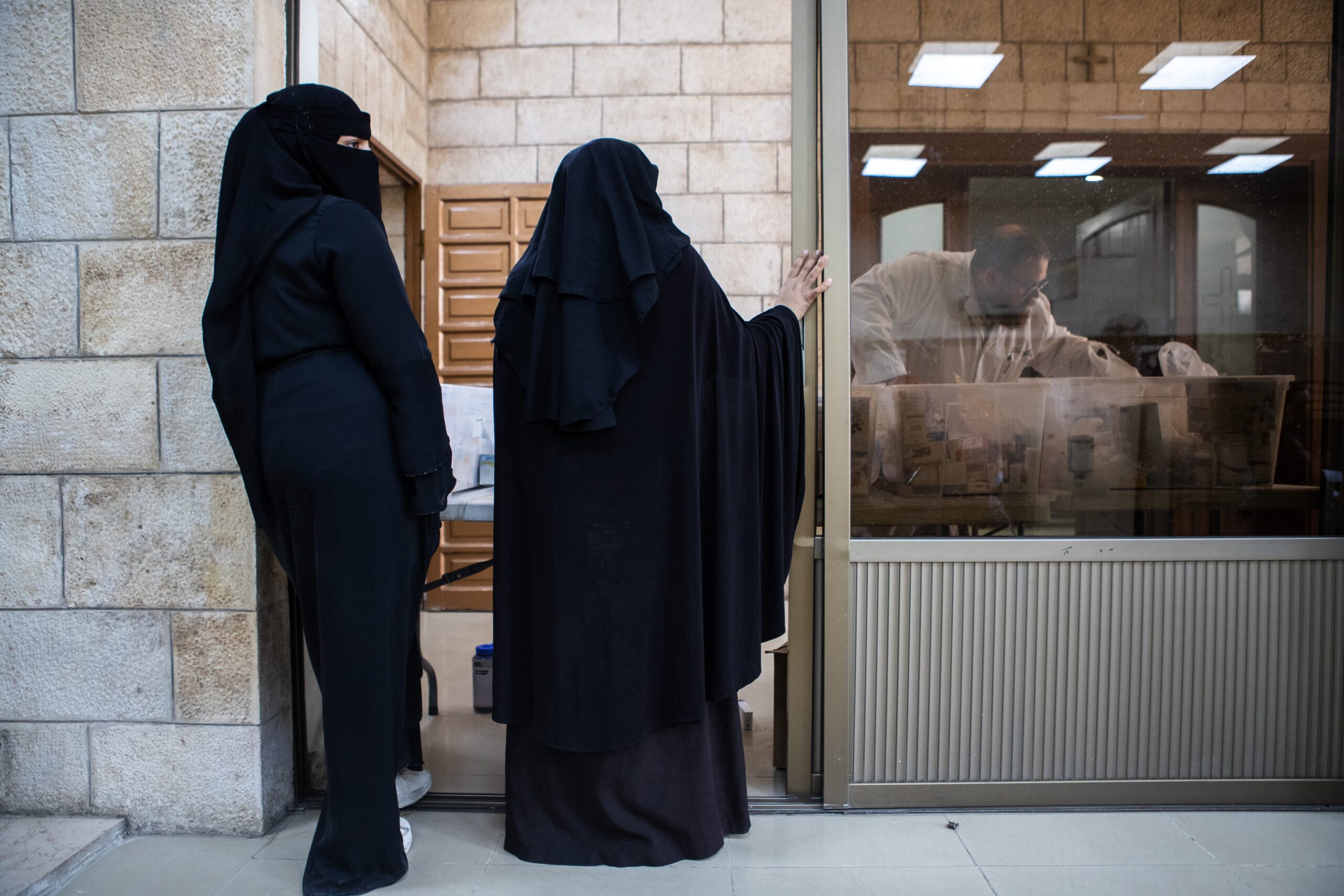
A Reason to Stay
Miriam came to our refugee medical clinic with a list of physical complaints—but as she sat down, it all came out at once.
“My children won’t eat.
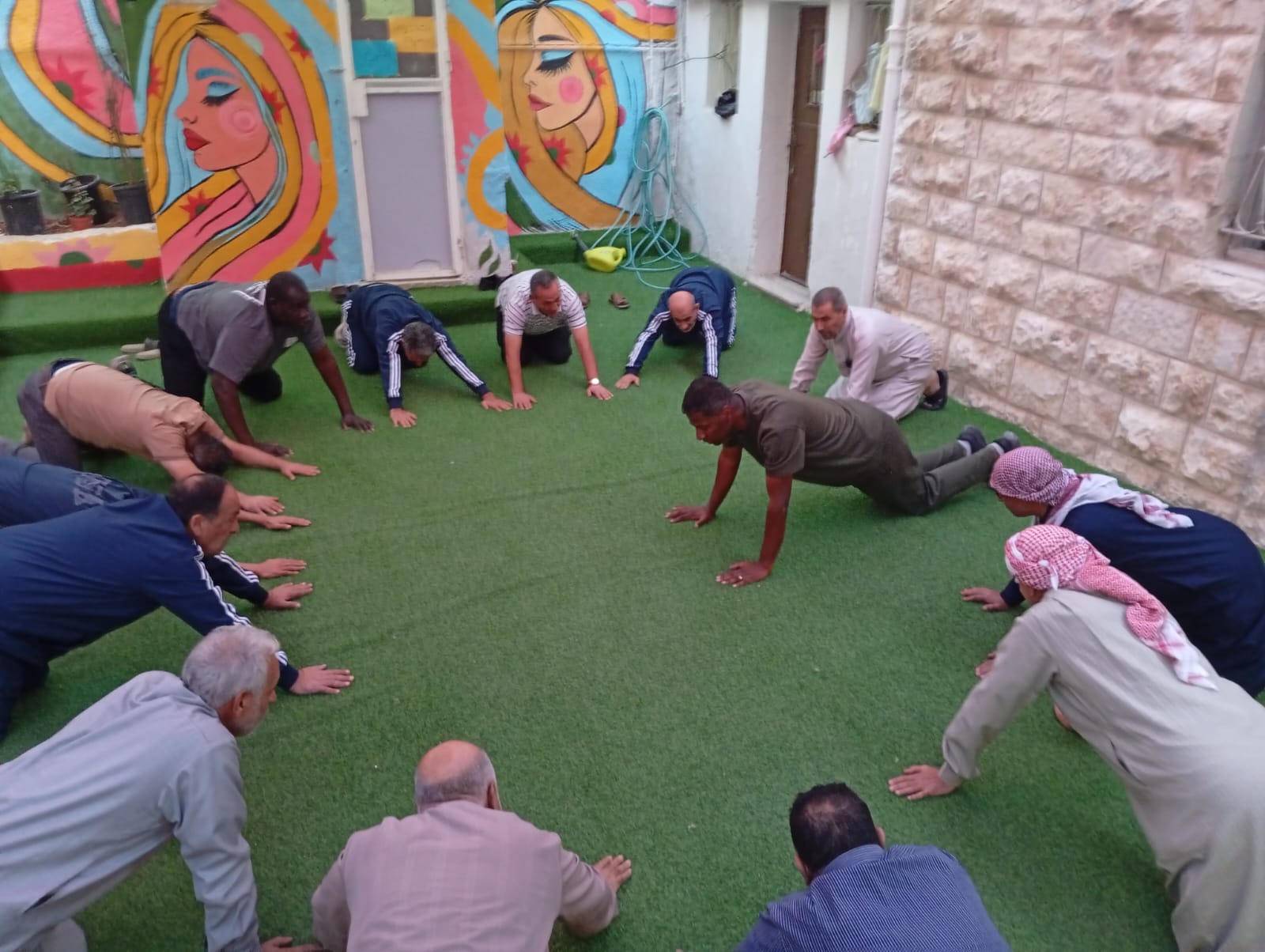
Stronger Men, Stronger Families
The Keystone Project consists of an initial 3-month long project cycle, in which a group of 15-25 male participants meet 2 times per week for 1.5-hour sessions.