
Pakistan
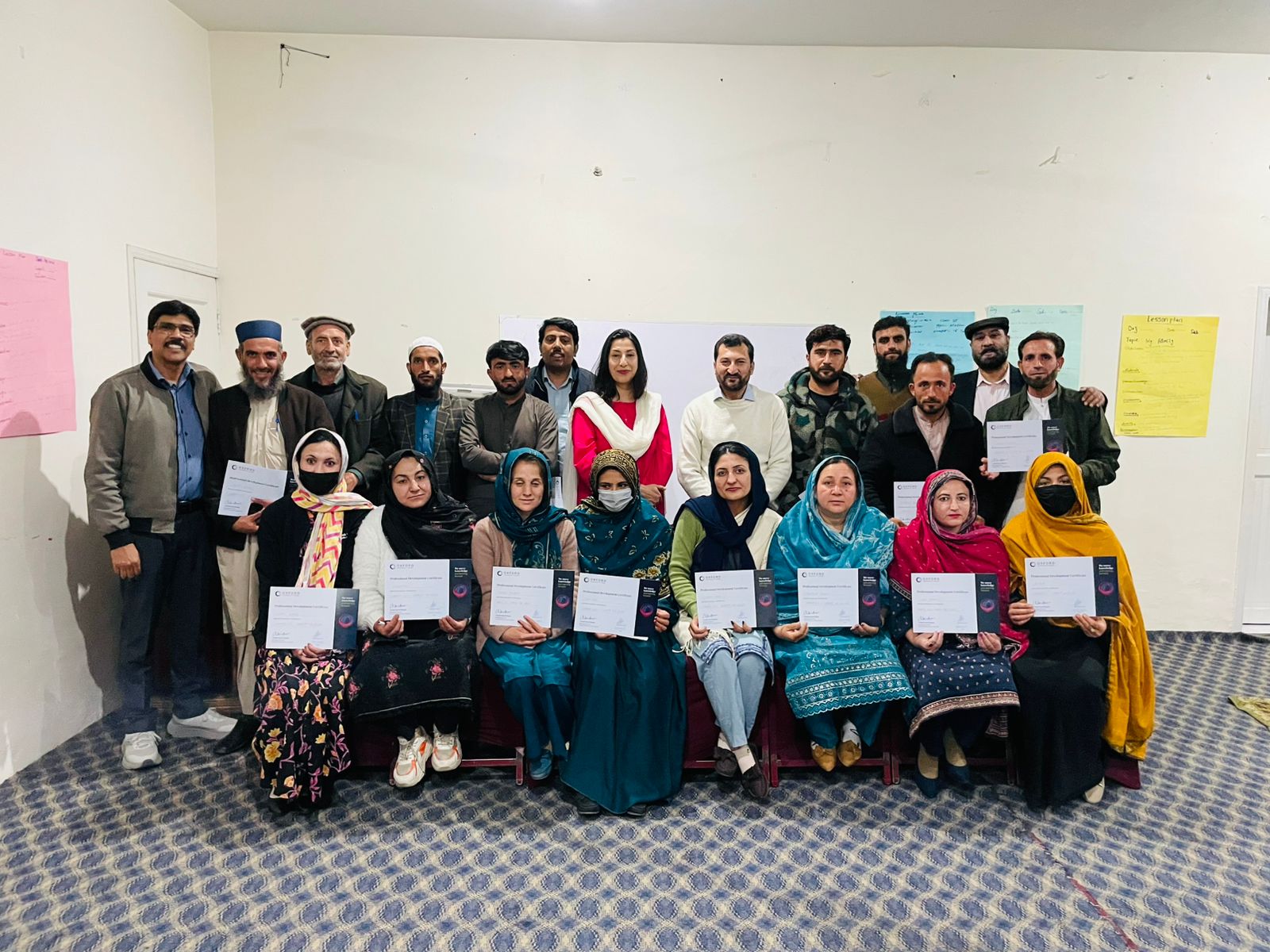
In a rented hotel conference room on a cold March day, 15 teachers from five remote village schools gathered for a two‑day training. For many, it was the first time they had attended a professional development session since becoming teachers.
These men and women often travel long distances from their homes—sometimes by foot or motorcycle—to reach the village schools where they teach multiple grade levels in a single classroom. Government resources for these small schools, perched on hillsides and in valleys throughout the Himalaya, are scarce. Many teachers even volunteer their time to go door‑to‑door, encouraging families to send their children to school, especially their daughters. Most of them are the first in their families to have received an education, and they know firsthand how learning can transform lives and communities.
Teaching in such remote villages can be isolating and extremely challenging.
At first, the mood during the training was reserved, but as the first day progressed, activities and discussions became lively and engaging. One participant shared: “The phonics lessons were taught by our trainer in a very engaging and effective way. She also showed us how to use physical activities to actively involve children in the learning process. I particularly liked this approach because it allows children to have fun while learning. When children enjoy the activities, they become more engaged and learn more effectively.”
The dedication of these teachers to their students is evident, and we are honored to walk alongside them in strengthening education in rural mountain schools. Plans are already underway to offer two additional teacher training sessions in 2027.
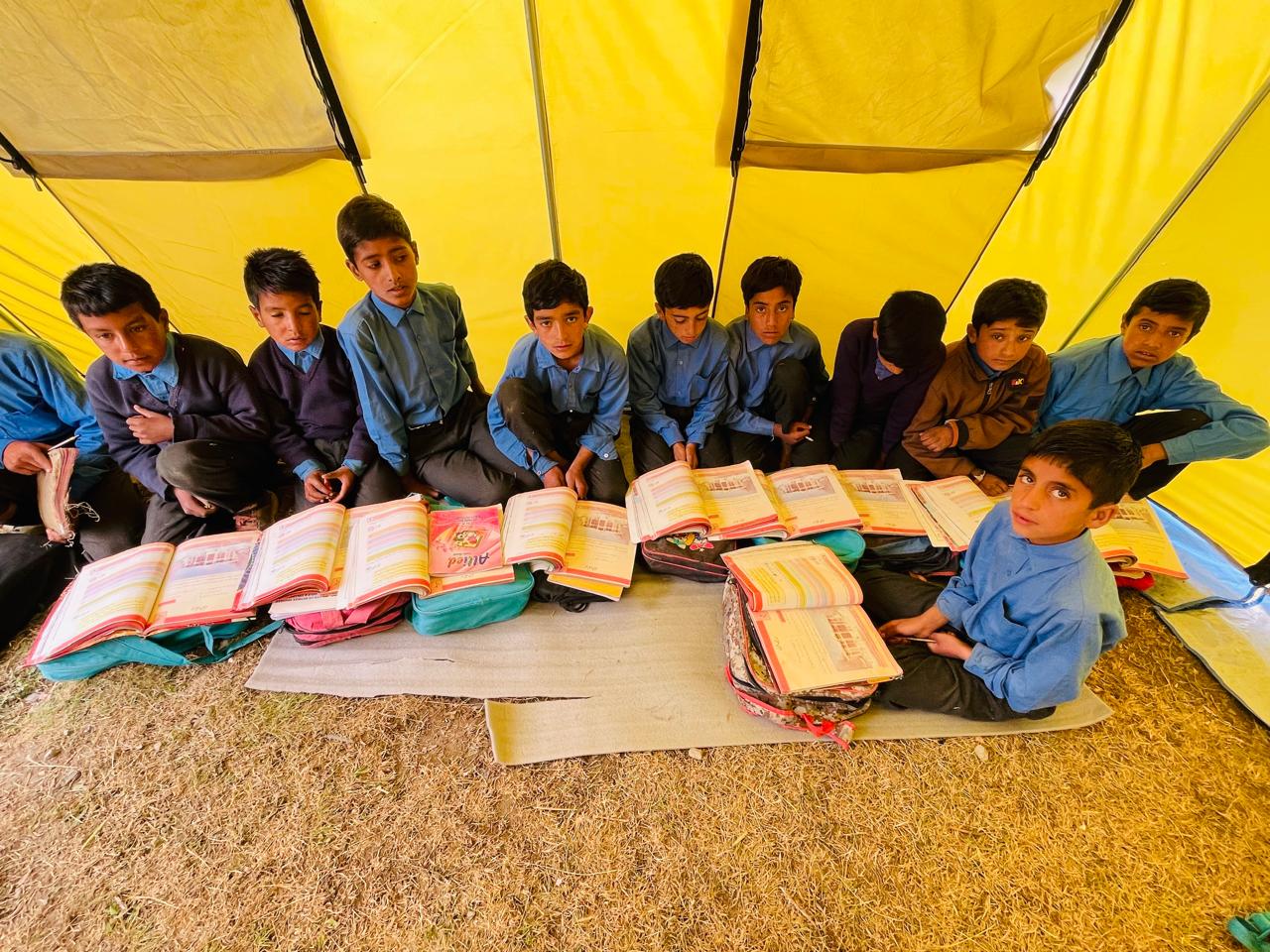
Mobile Tent Schools
In remote, seminomadic communities in Pakistan, the school year used to come to a halt during the seasonal migrations. Children missed out on up to seven months of education,
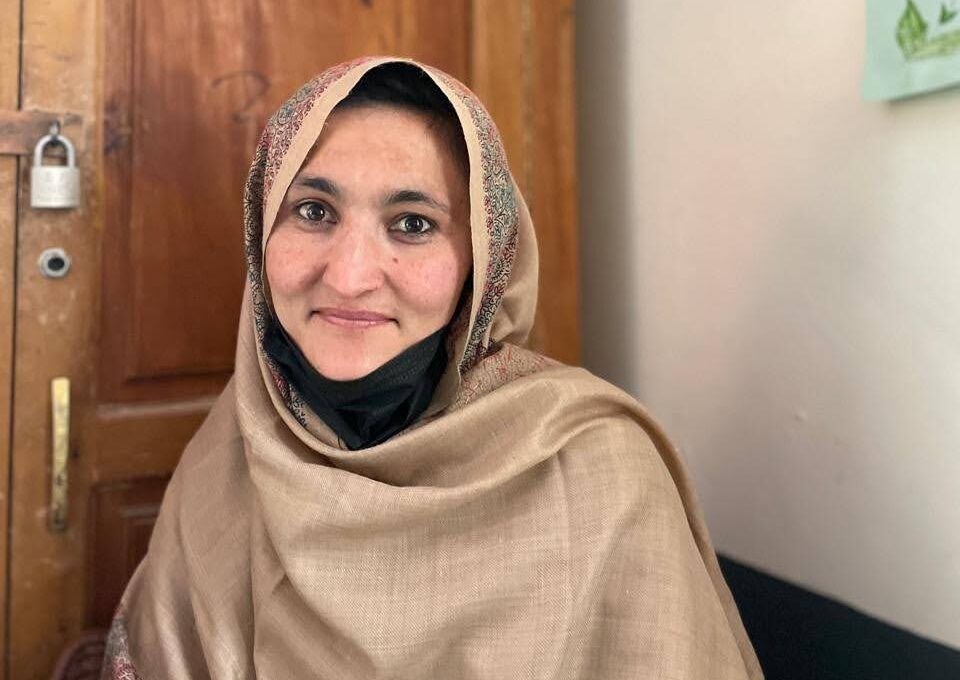
A Teacher’s Heart
The goal of the education project, run by our partner organisation, is to work with remote communities to improve access to education through adult literacy classes and operational support for five remote village schools.
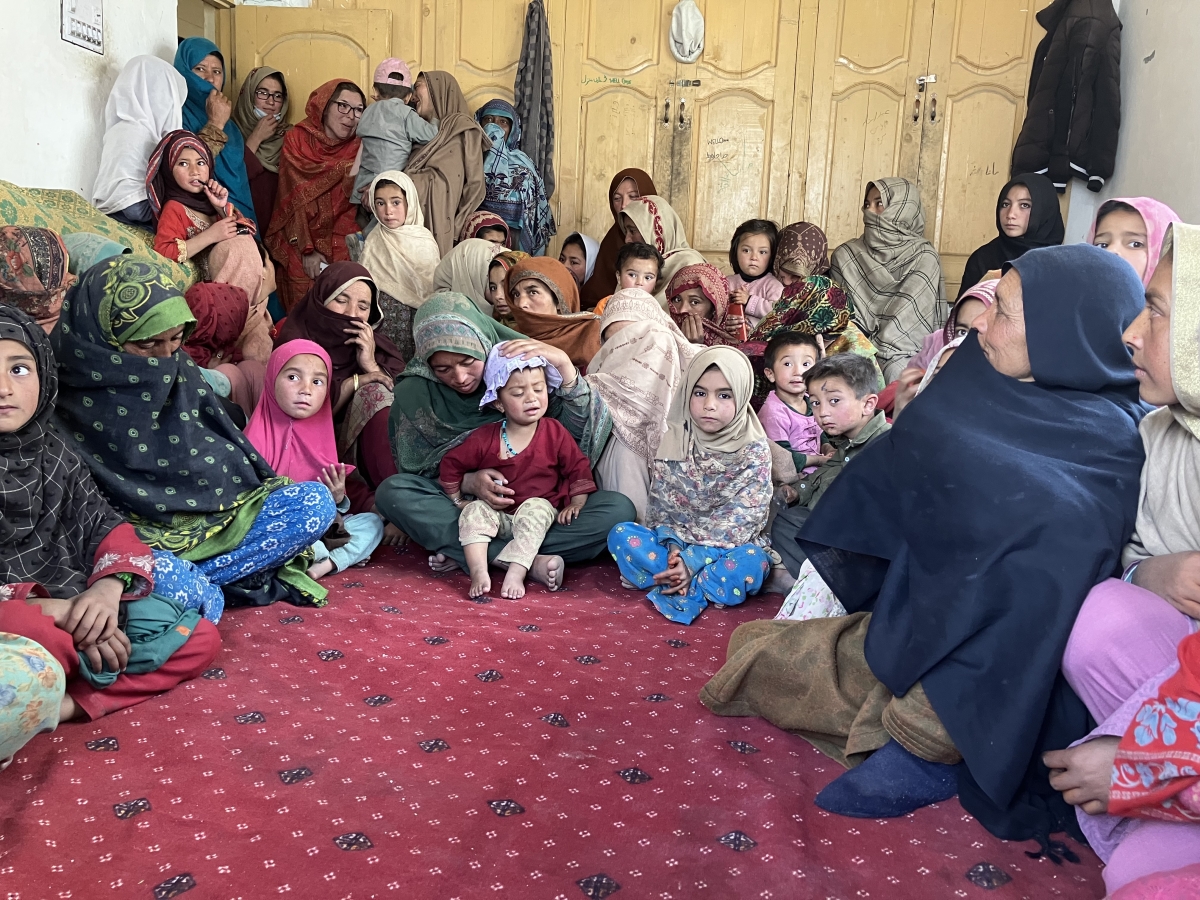
There Is Hope!
On registration day, over 80 women filled the small yard around the building where training would happen!
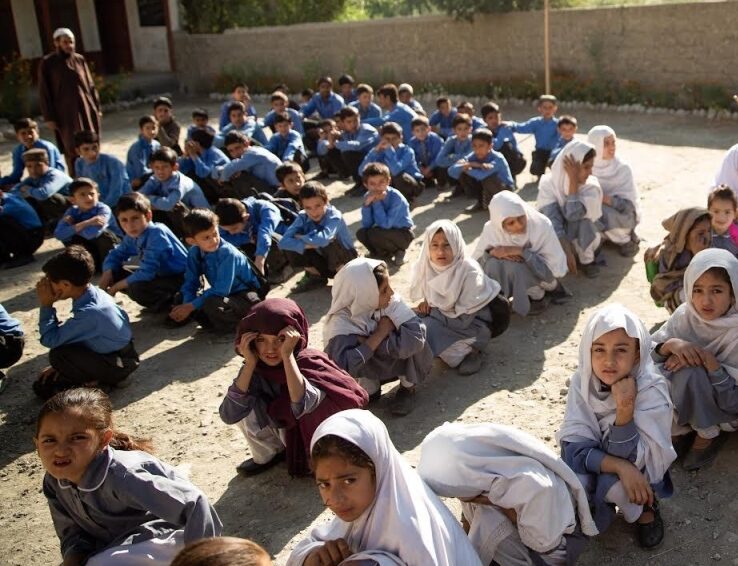
Everyone Deserves Access to Education
We are seeing a breakthrough in understanding that all deserve to have an opportunity to access education.
Teacher Training in the Himalaya
In a rented hotel conference room on a cold March day, 15 teachers from five remote village schools gathered for a two‑day training. For many, it was the first time they had attended a professional development session since becoming teachers.
Making a Difference in My Community
Our partner organization’s Women’s Empowerment Project (WEP), in Pakistan aims to see women in rural villages empowered, supporting their families.
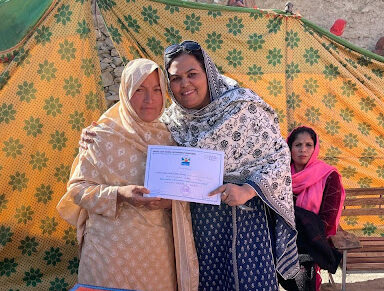
Hawa, a WEP Vocational Training Center Teacher in a rural village,
Professional Excellence
Operation Mercy’s partner organisation has worked to develop a monitoring and evaluation program to ensure its programmes are pursuing professional excellence
Building Relationships Through Literacy
In the village of Roushan, as the grain in the nearby fields started to grow, 25 women gathered to enroll in a Shining Light Adult Literacy Center.
I Want Them to Prosper
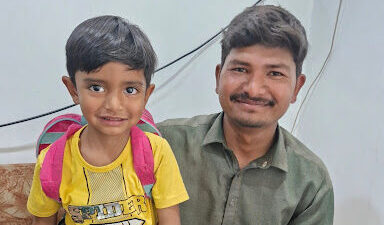
The Leadership Development Programme was created by our partner organization to provide educational assistance to the marginalized students in northern Pakistan who otherwise wouldn’t be able to attend school.
A Helping Hand for my Family
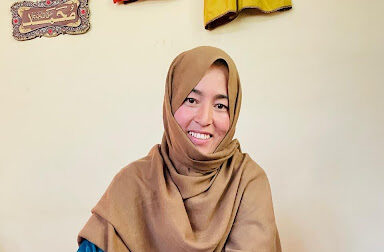
Our partner organization’s Women’s Empowerment Project (WEP), is working to empower women through a skillset that will help raise their family earning potential, raise their social status and equip them with skills that will benefit themselves,
Everyone Deserves Access to Education
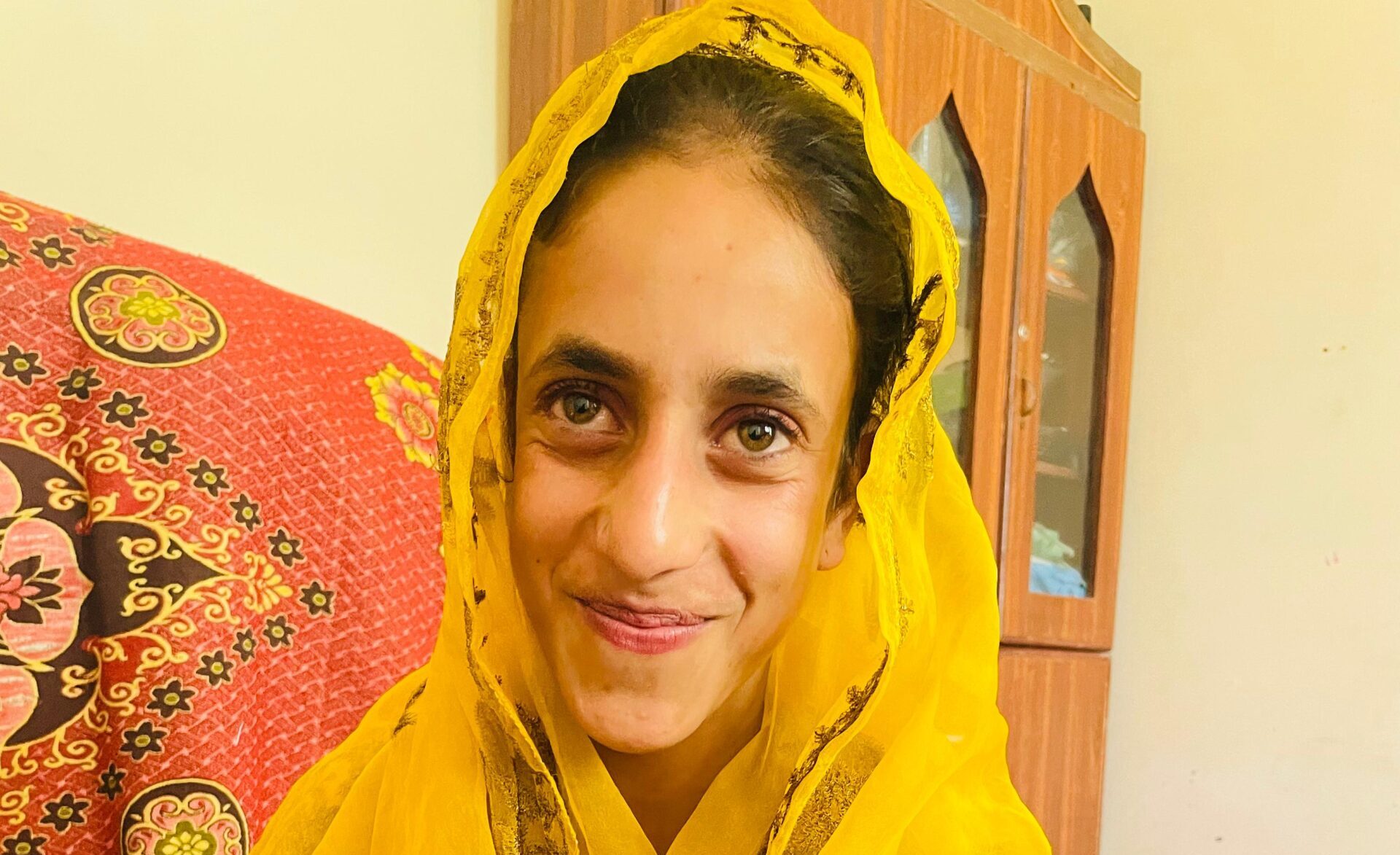
Nahida likes to study but she never had a chance to go to a school because her parents always moved from one place to another. “I always had a desire to go to a school but I come from a shepherd family and in the summer we move up to high pastures with our livestock and we are not allowed to live in the village,” explains Nahida.
Equipped to Become Leaders
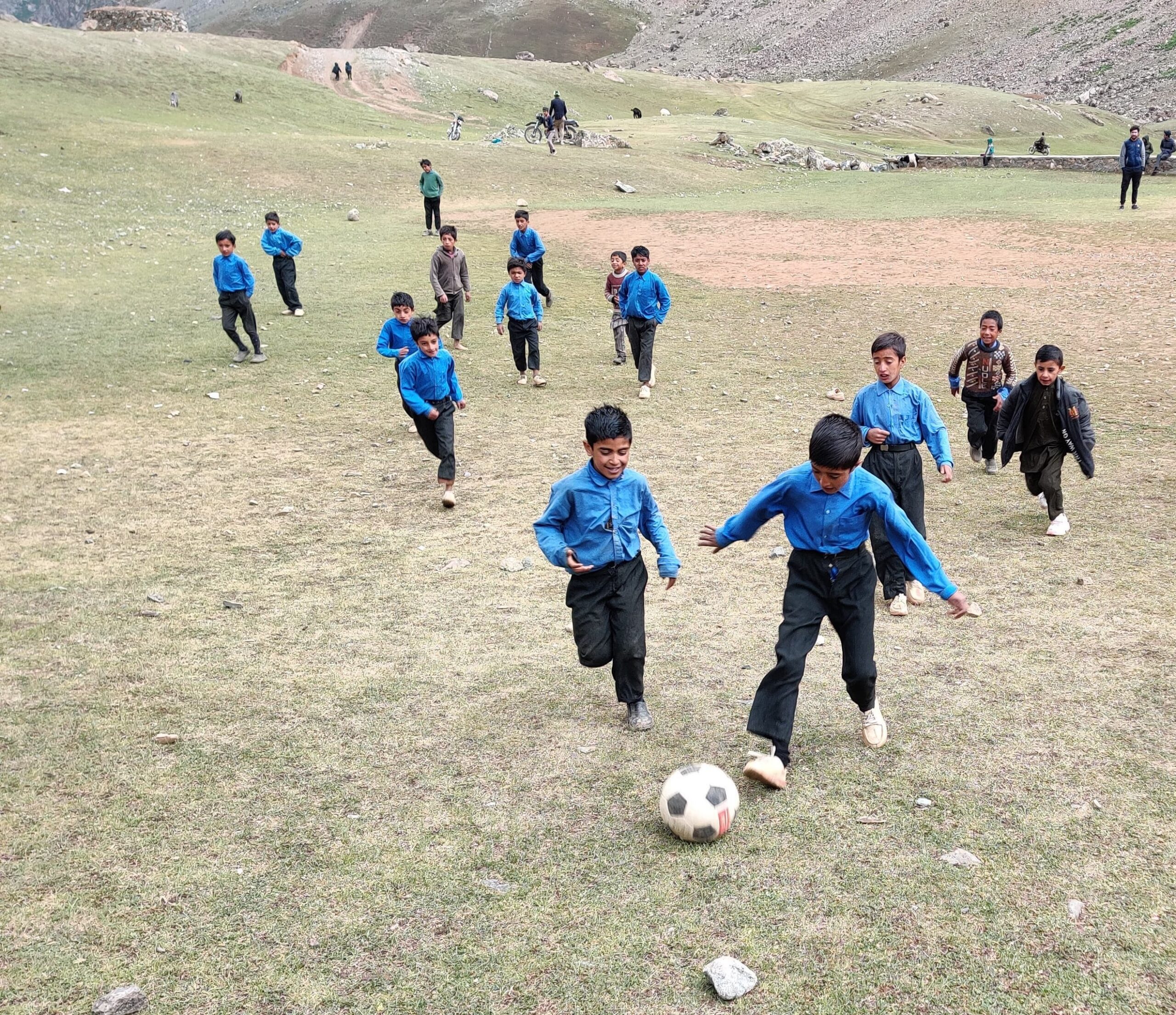
Our partner’s Scholarship Project aims to see students in northern Pakistan receiving a quality education that equips them to become leaders.
A group of middle school boys –
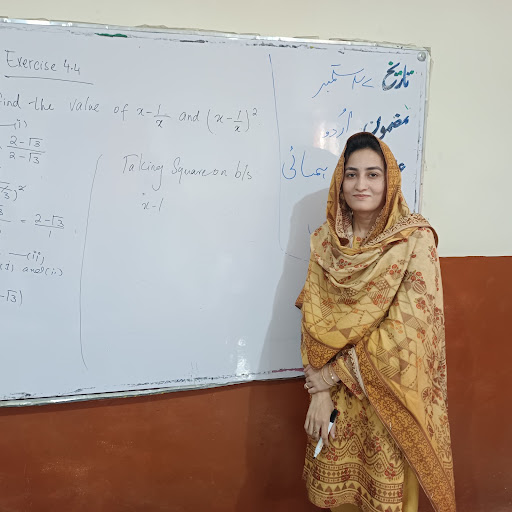
Helping Me Accomplish My Dreams
“Recently I completed my master’s degree in mathematics. I give all the credit to the Scholarship Program that has always stood behind me from kindergarten to university education.
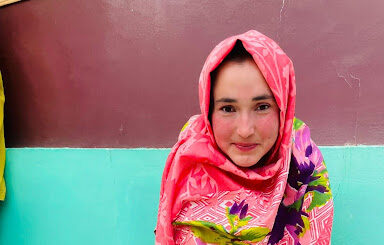
How Flood Relief Paved the Way for Education
In the fall of 2022, catastrophic flooding swept across Pakistan. In the chaos, a landslide tore through the remote mountain village of Kunis taking homes and cropland with it.
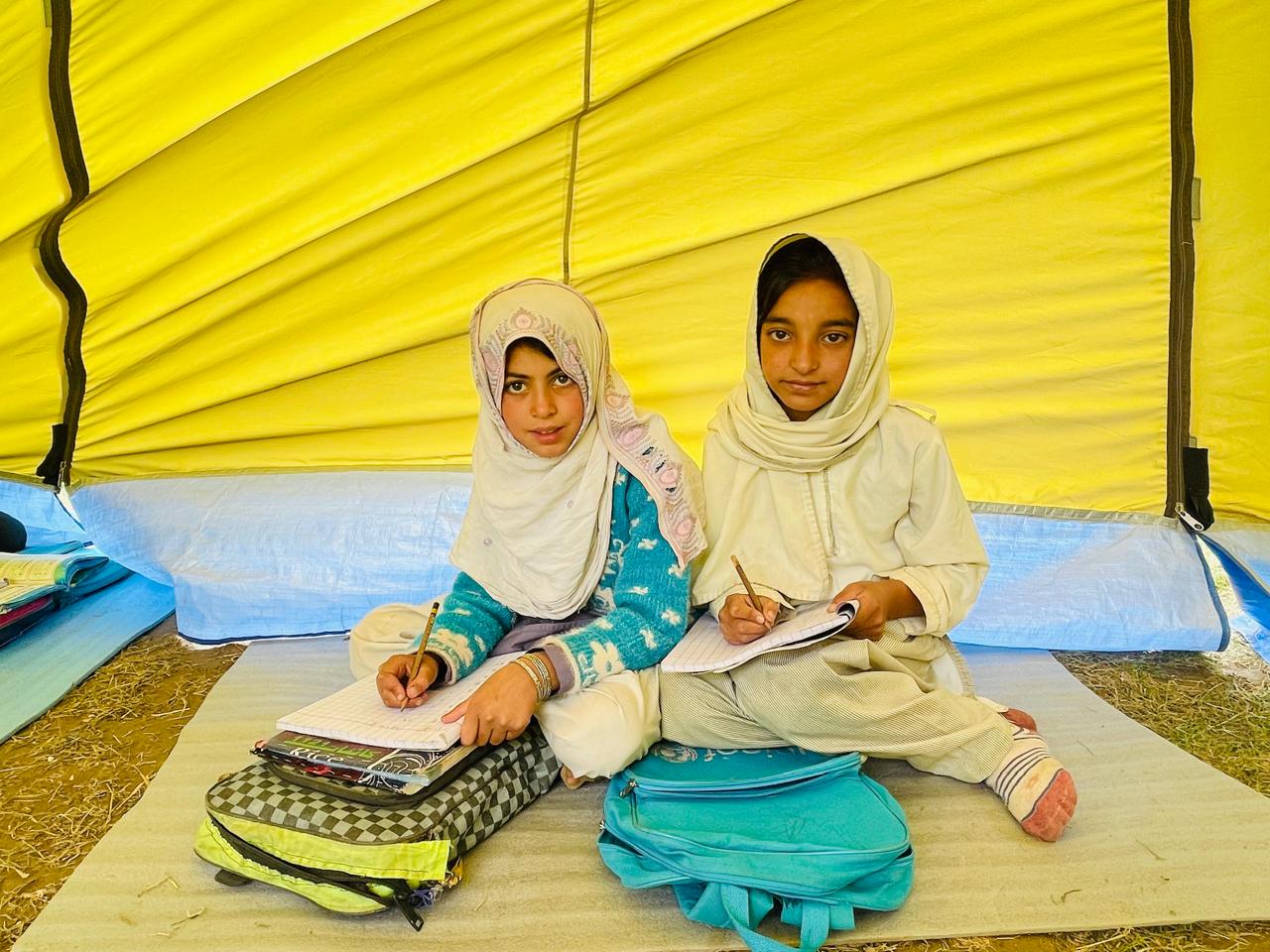
A Tent School That Travels with the Shephard People
Over the past three years, through our Monitoring and Evaluation Program, our team has noticed that while enrollment in school is high in the five mountain villages that we work with,
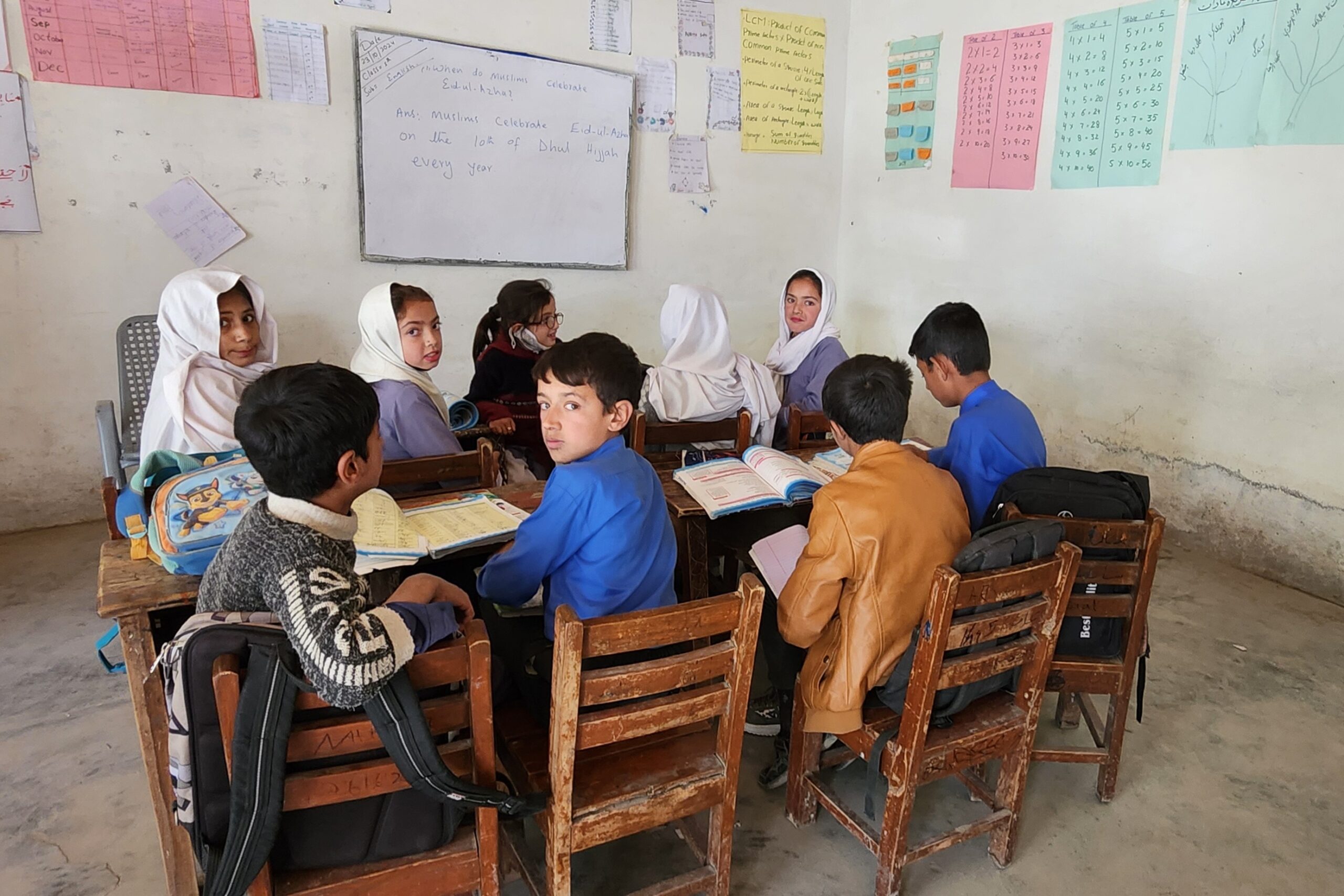
Building Bridges through Education
Sher Azam is a community leader who supports public projects among the shepherd people in remote villages in northern Pakistan, including making improvements to education in village schools.
Partnerships Transform Families
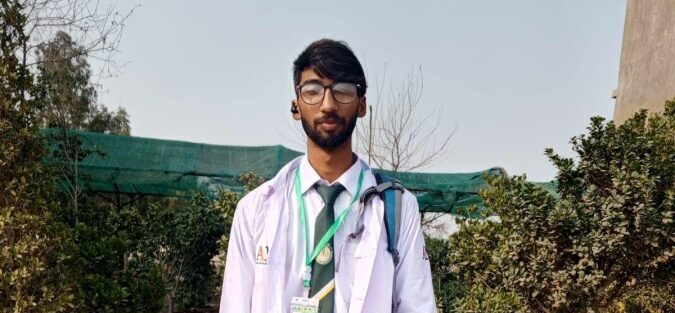
Sharif* grew up in a very conservative village. He was bullied at school by students and teachers. His family had heard of our partner’s Scholarship Program and their partnership with the local center to provide housing and support for students just like him.
I am already making a difference in my community
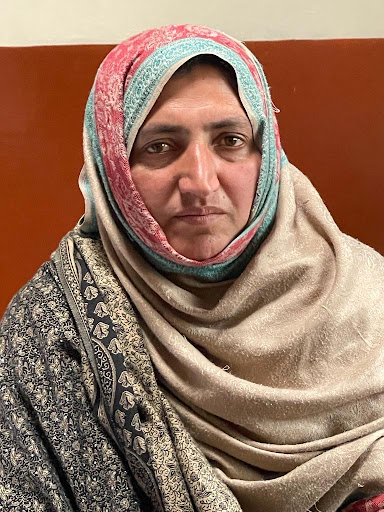
Now I am trained enough to do different types of stitching and I have already started earning.
Opportunities For Women
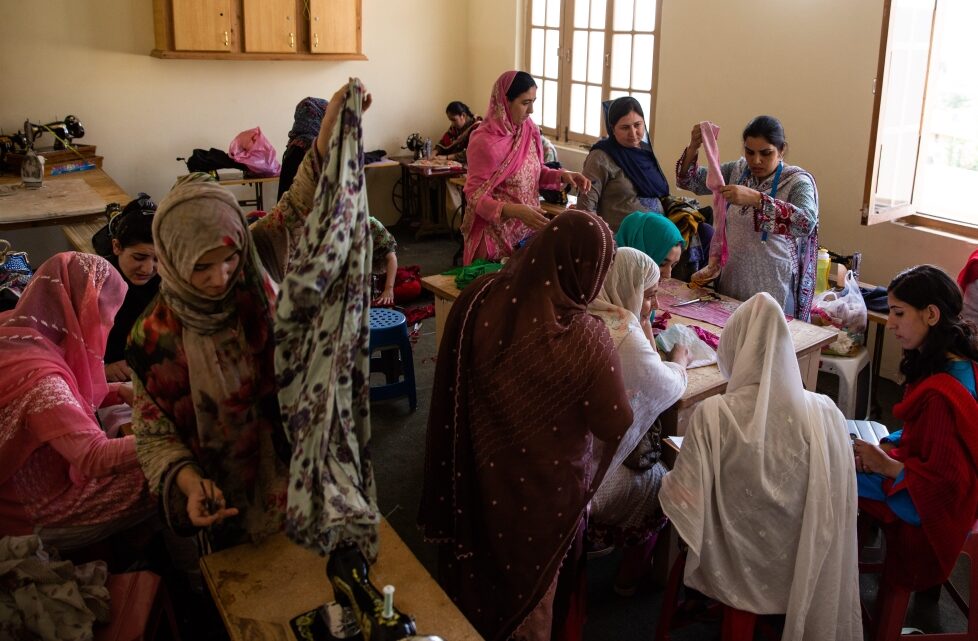
“I never have missed a single day and I have my best time here in this center.”