
Afghanistan
Our Maternal and Child Nutrition and Health Project is improving health practices around birth and childcare amongst the vulnerable population of Afghanistan.
A young mother shares:
“I have been married for three years. For the first year, I was unable to conceive. Then, by the grace of God, I became pregnant. My own family lives in Iran, and my mother-in-law was not supportive. I had no knowledge of how to take care of myself during pregnancy, and eventually, my baby was born, but tragically, my baby passed away.
“Now, I am four months pregnant again. At the beginning of this pregnancy, I constantly worried about how to properly care for this child. One day, a young woman knocked on our door. I opened it, and she introduced herself as a representative from the Zakireen Township Clinic, offering nutritional counselling.
“Their advice has been incredibly helpful. I’ve learned how to take better care of myself and my baby. I used to drink almost no water, but now I drink at least 8 glasses daily. I also include food from all three food groups in my diet and take better care of my health overall. I have started visiting the clinic regularly, and they have given me folic acid tablets to support my pregnancy.”
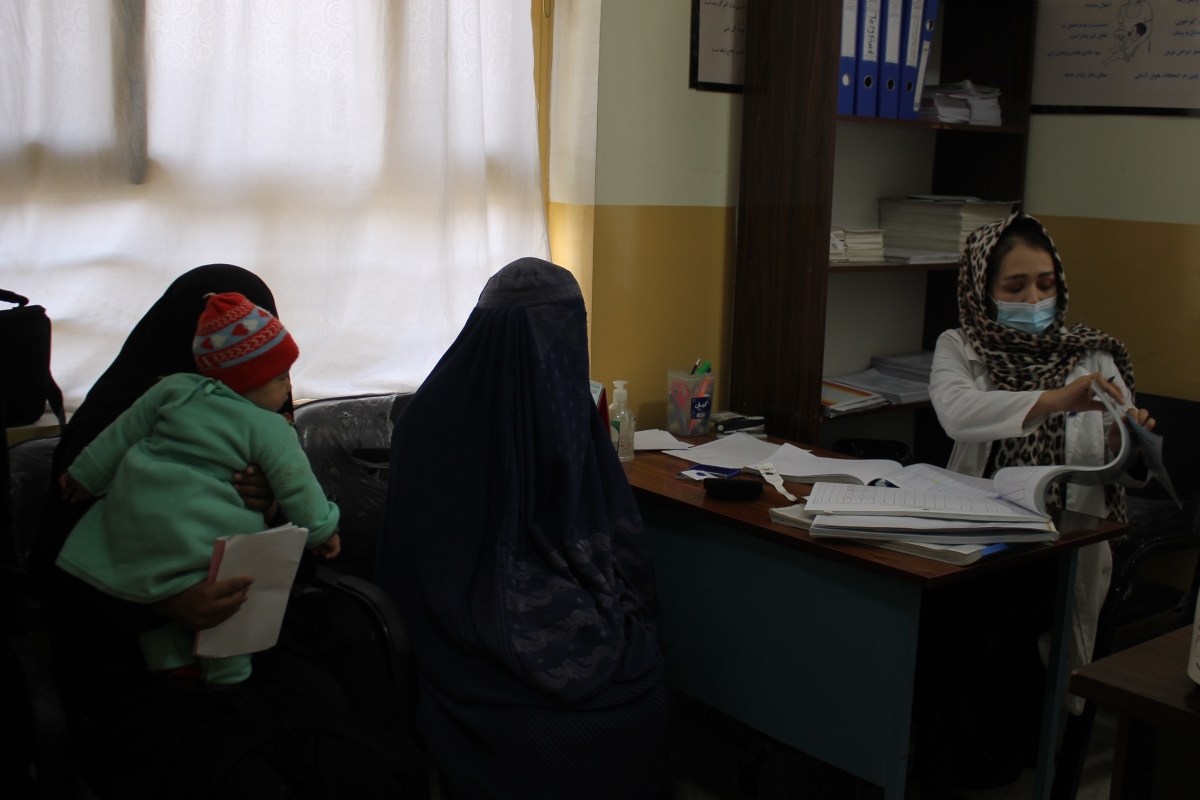
Success Story
Soon Mohammed was back to a normal weight and Farzana was delighted to see her son playing again, standing and moving, and having an appetite.
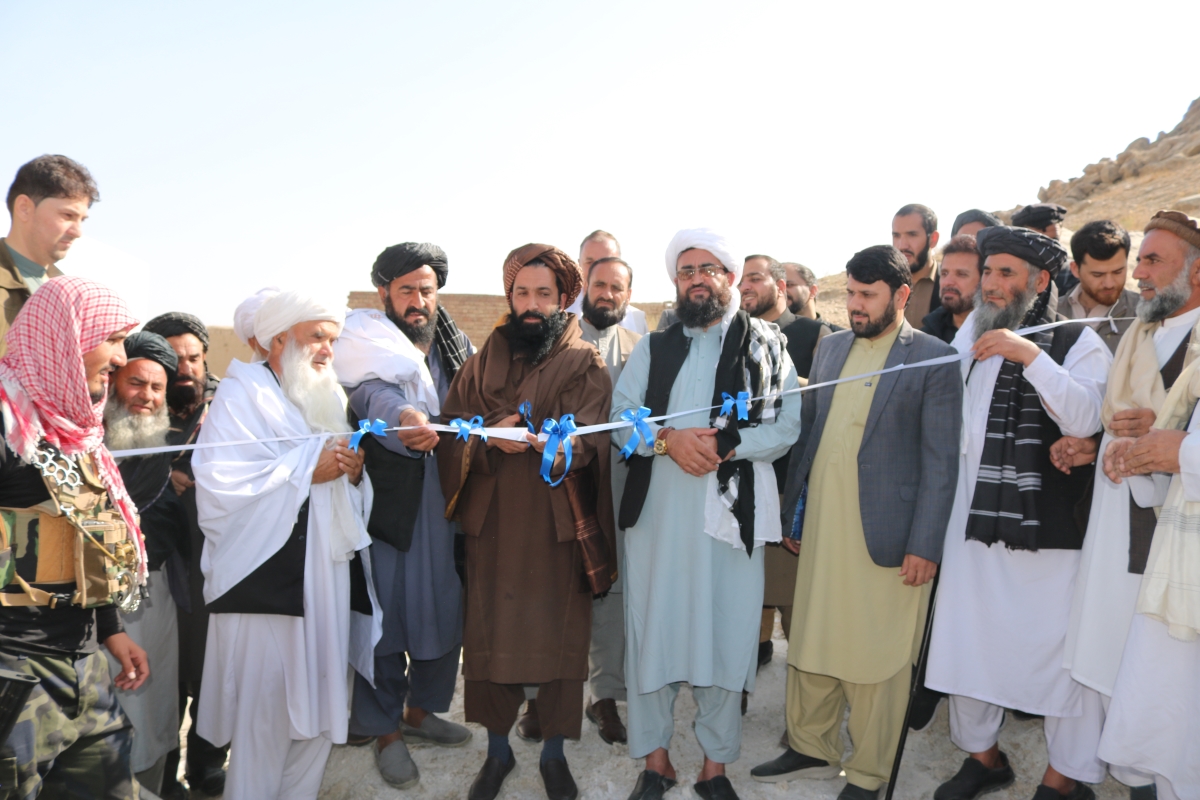
Building a solar water supply network
“Most of the families in this village lack access to clean drinking water, and it is extremely difficult for our women and children to get water from a distance.”
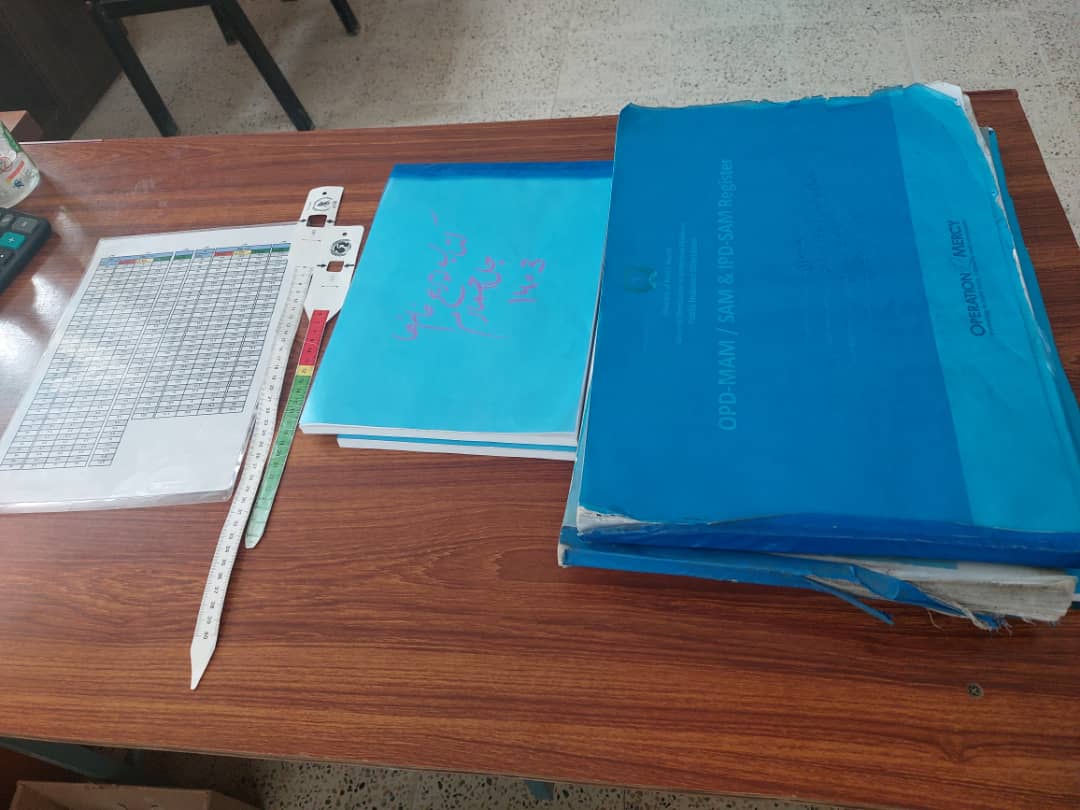
Health and Nutrition Promoters
Operation Mercy in Afghanistan runs a program training women in the community to become health and nutrition promoters. This program empowers women to voluntarily serve their communities,
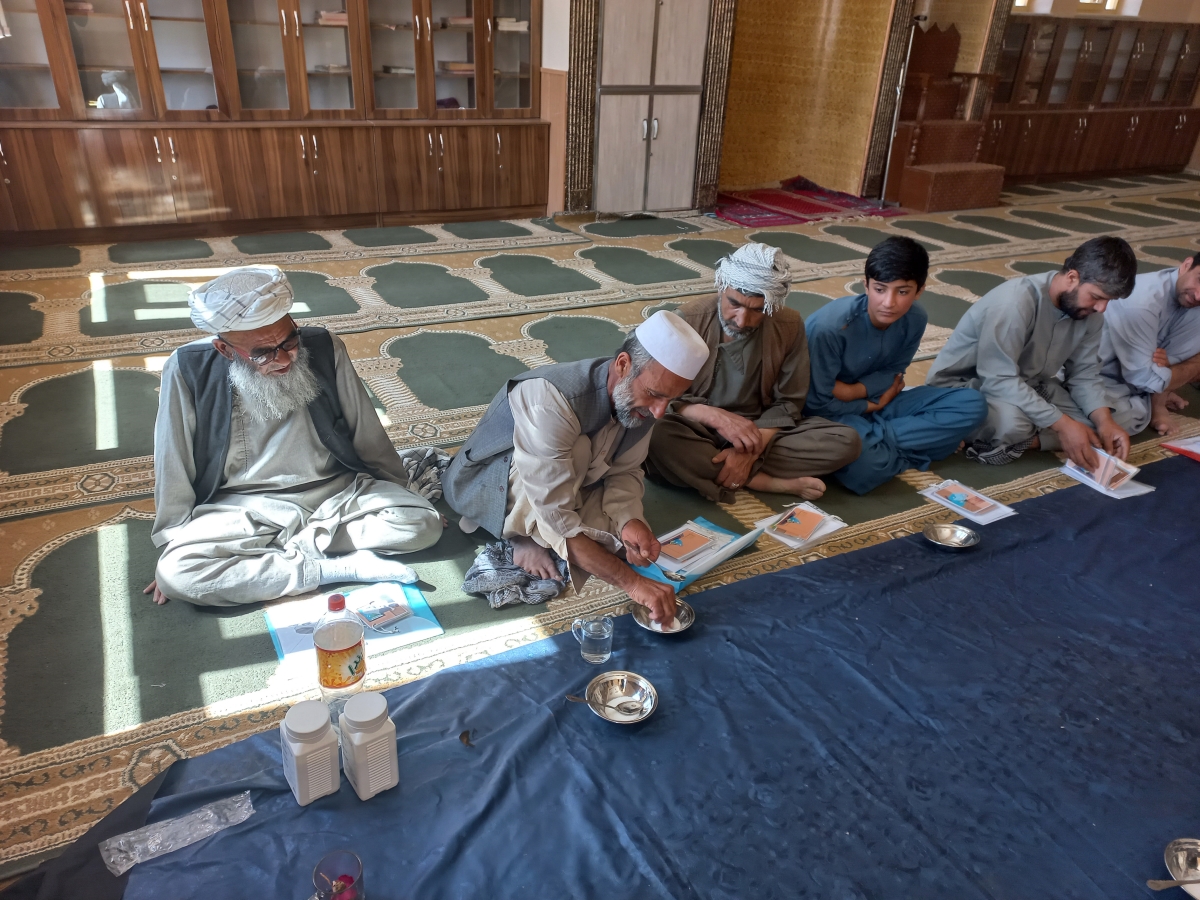
WaSH Lessons Save Lives
In one of the villages in the outskirts of Kabul, where Operation Mercy has a Water, Sanitation and Hygiene (WaSH) program, men’s groups eagerly receive their lessons.
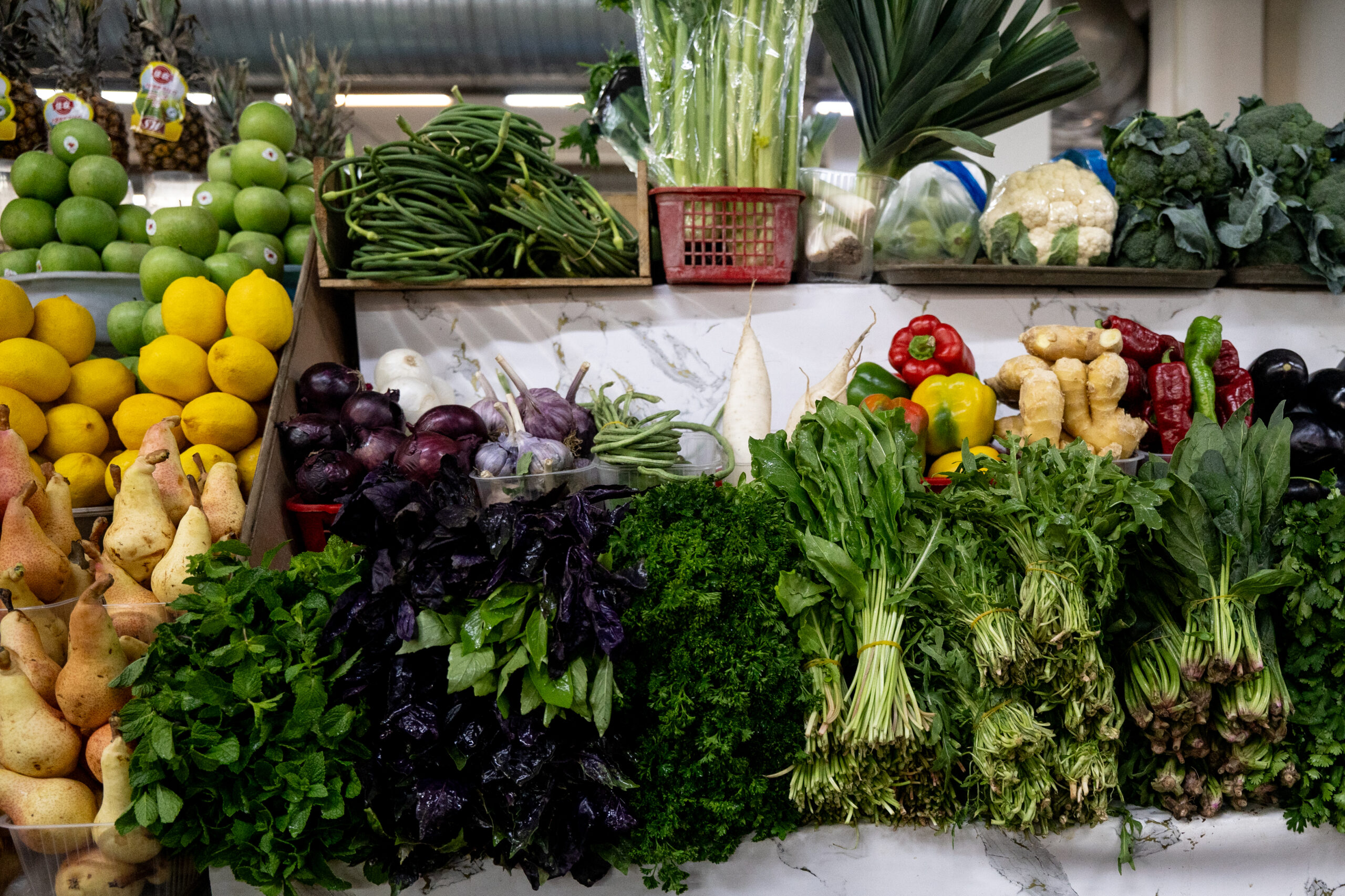
Maternal and Child Nutrition and Health
In Afghanistan we have had the privilege of running a health programme in a number of communities where we train men and women on essential elements of nutrition and health during pregnancy and in the early formative years of a child’s life.
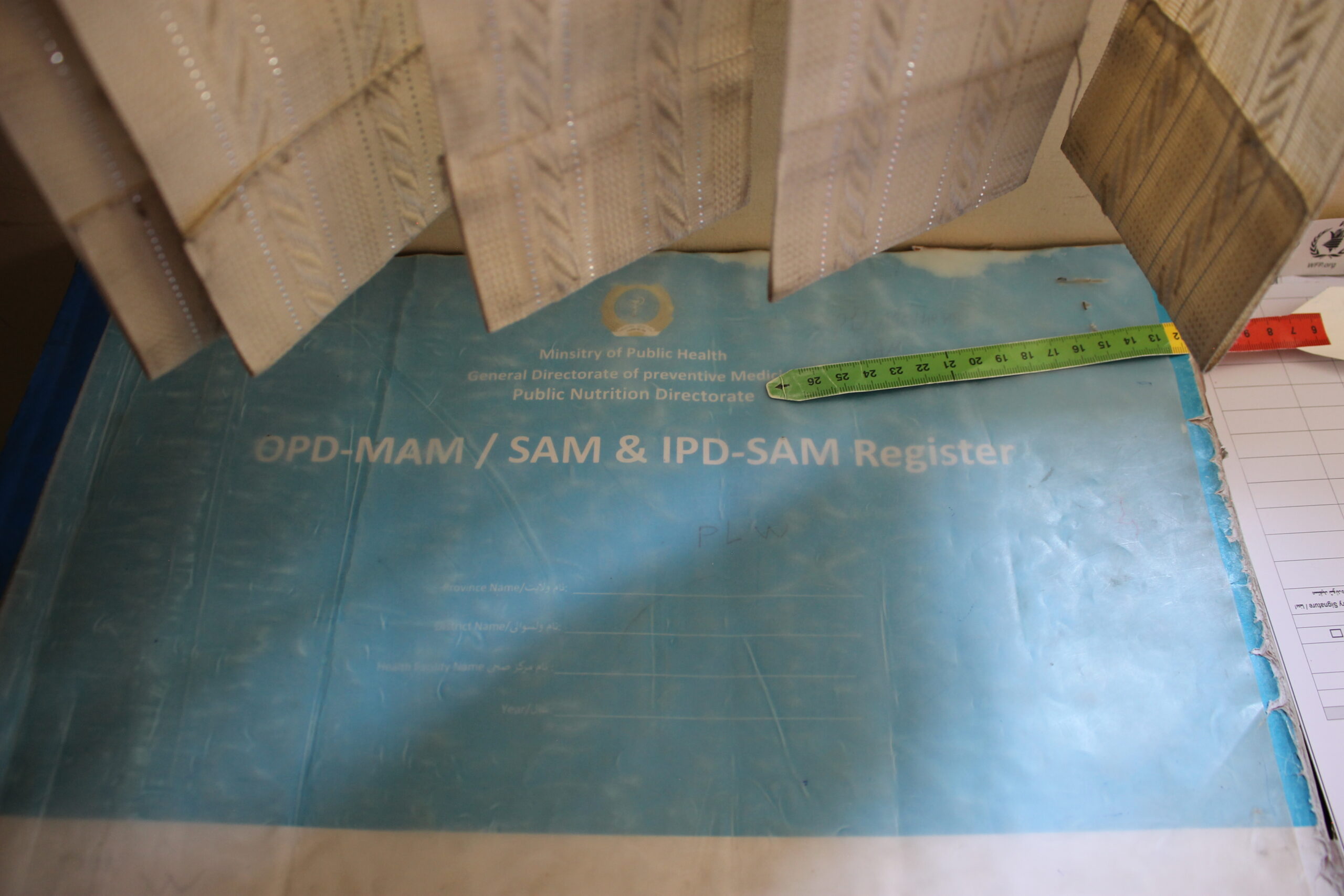
Empowering Mothers Through Breastfeeding Education
In our Maternal and Child Nutrition and Health Project in Afghanistan it’s amazing to see how simple lessons — and someone walking alongside young mothers — can make a difference,
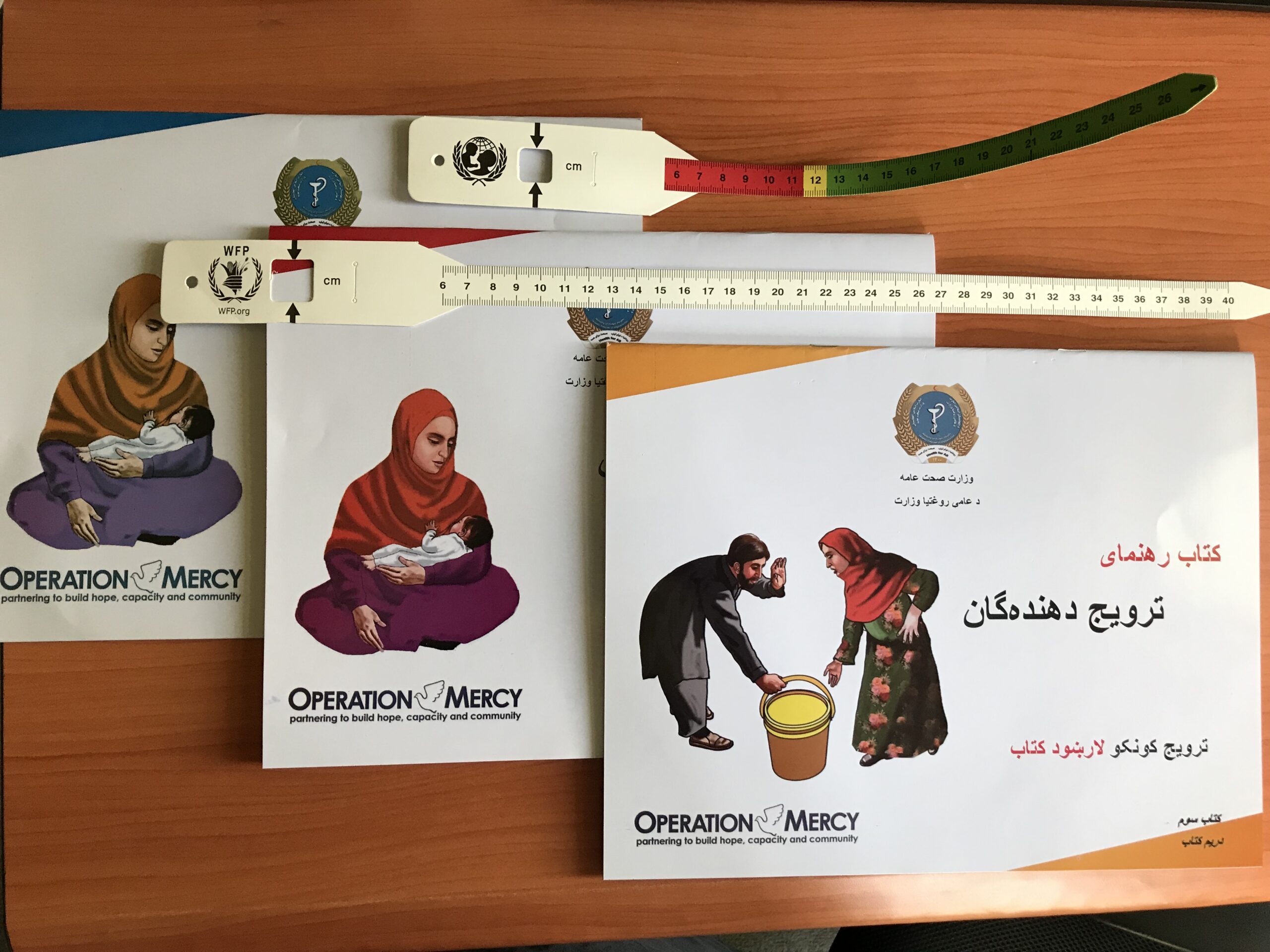
Proper Nutrition For Children
Malnutrition continues to increase across Afghanistan. The United Nations now reports 3.2 million children in Afghanistan face acute malnutrition. We expect this to worsen over the winter as the bitter cold forces many families to divert part of their funds towards heating instead of food.
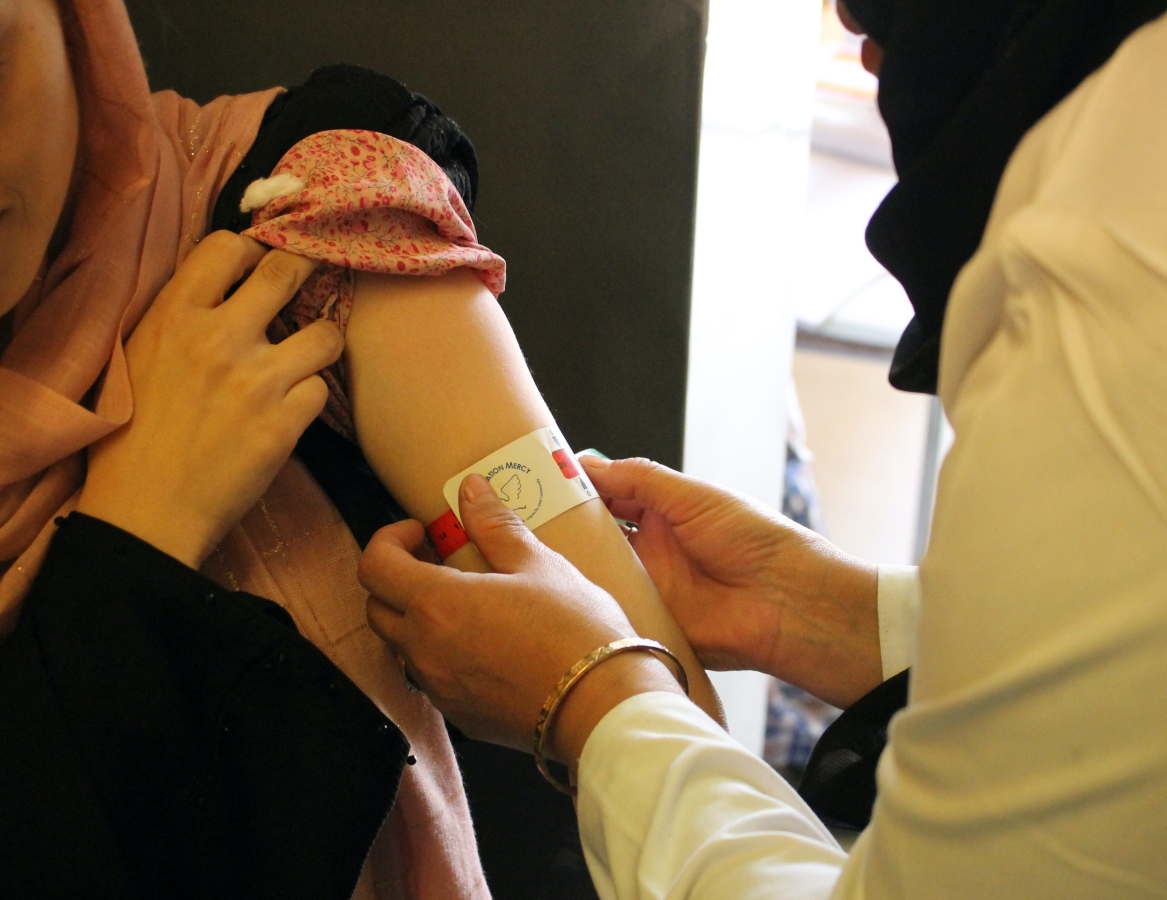
Perseverance in Health
Two months later, Serah was improving from the malnutrition.
Access to Clean Water
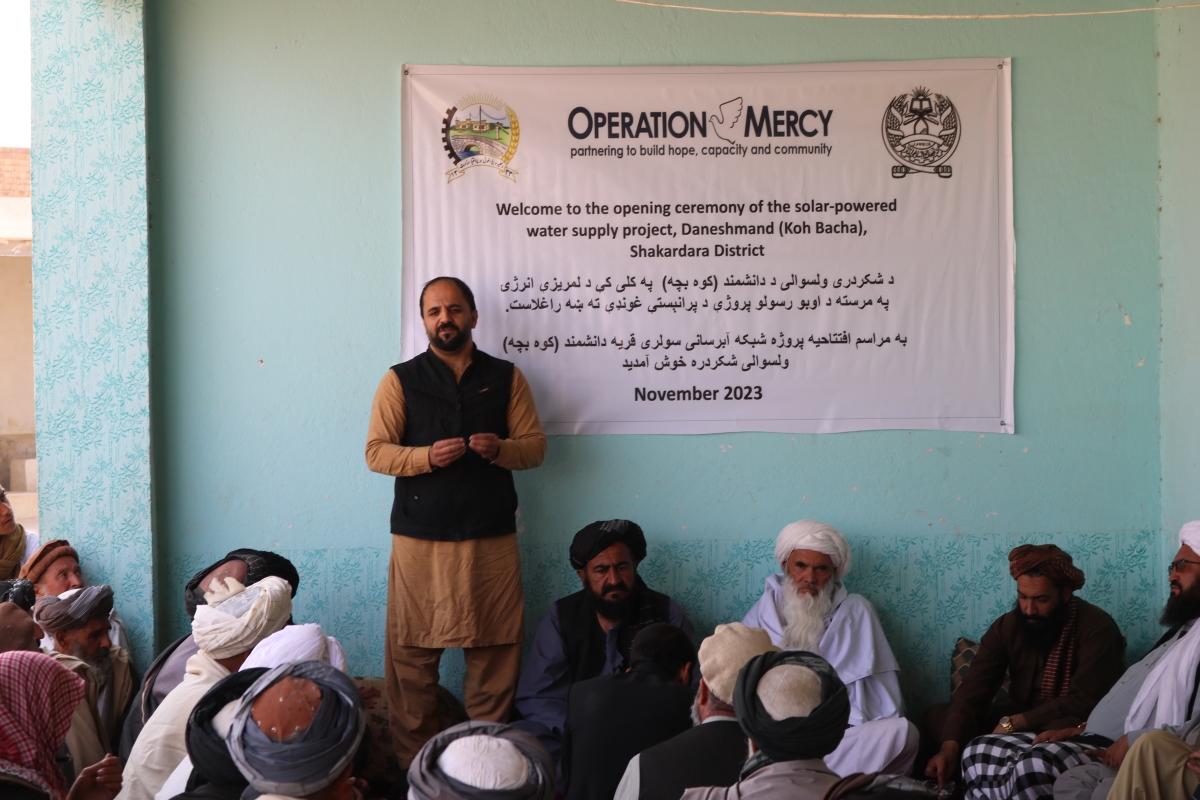
The WASH project has taught us many valuable things, one of which being the necessity of having access to clean water, which can help us avoid many diseases.
A Second Chance for a Healthy Pregnancy
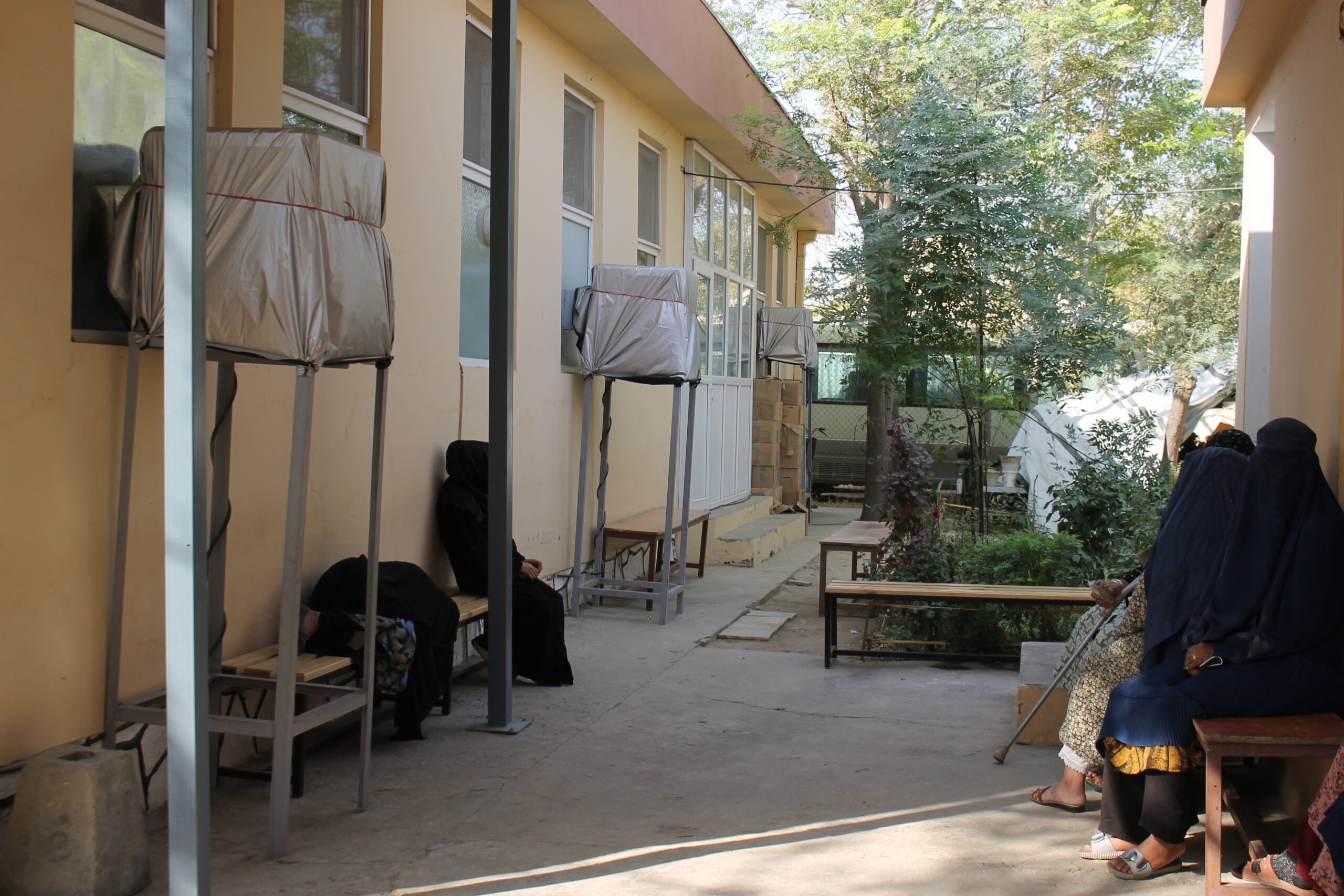
Our Maternal and Child Nutrition and Health Project is improving health practices around birth and childcare amongst the vulnerable population of Afghanistan.
A young mother shares:
“I have been married for three years.
I Am Stronger
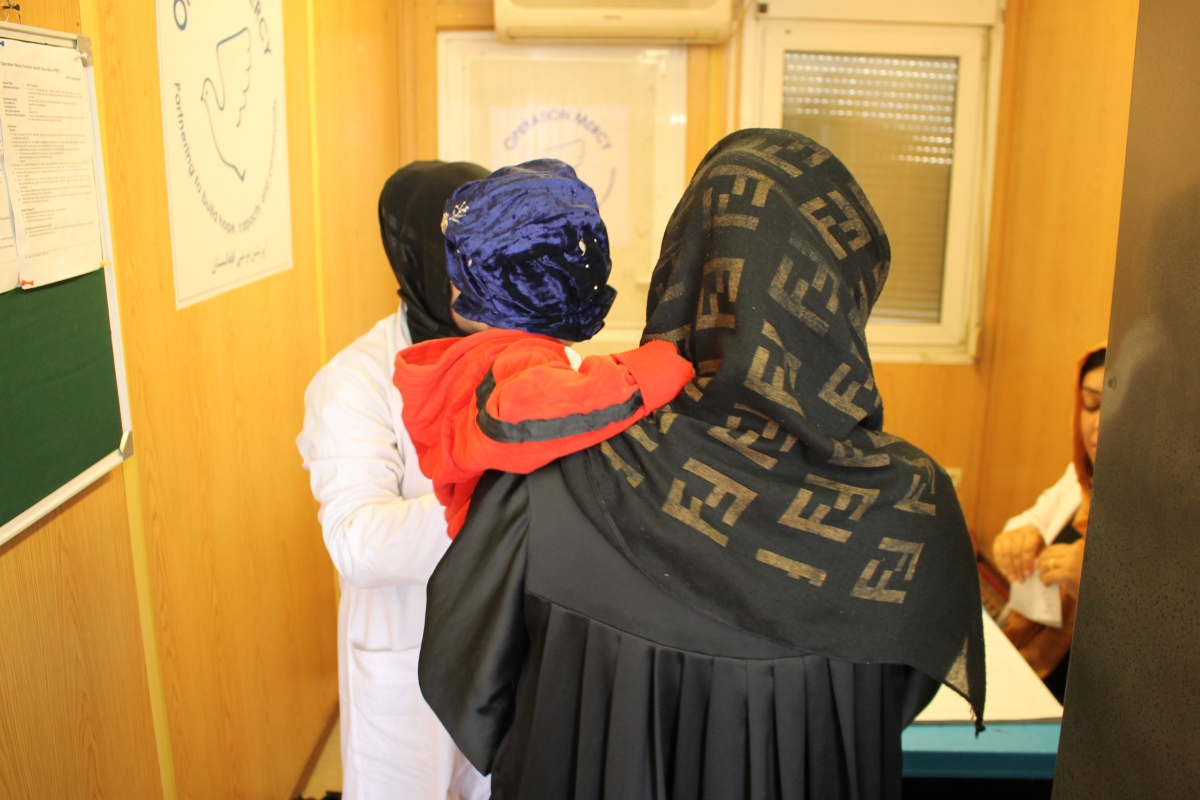
Now we eat vegetables at every meal, I am stronger, I can do my housework and take care of my children and a sick member of our family.
Clean Drinking Water
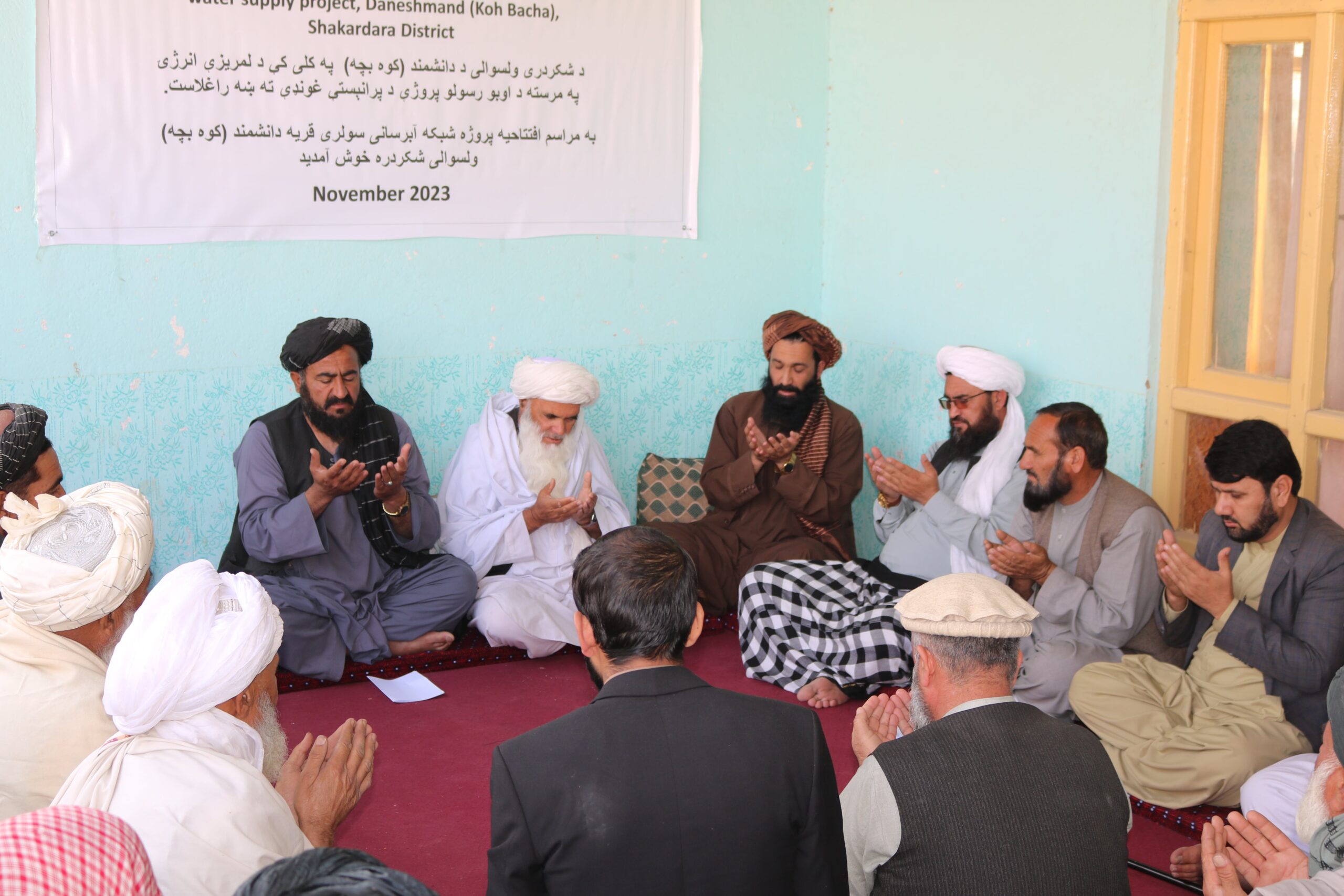
In November 2023 Operation Mercy in Afghanistan started building a solar water supply network in a district in Kabul. We were joined at the opening ceremony by local officials and members of the community.